Trump's $5,000 dividend faces steep hurdles as polls open
President Trump's promise of a universal payout if Republicans hold Congress is being scrutinized by bipartisan critics and fiscal experts on election day.
By Vikram Harrison ·
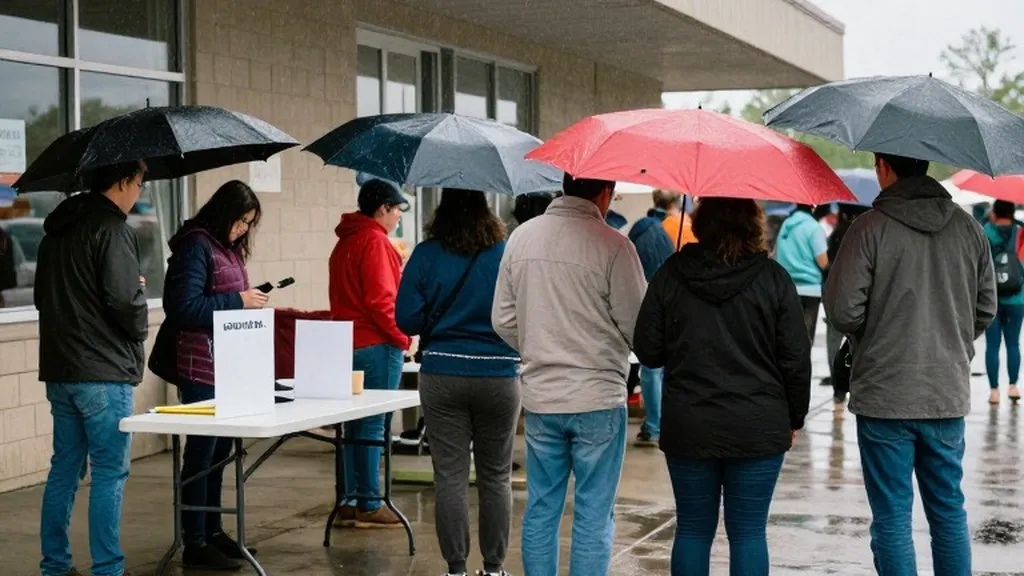
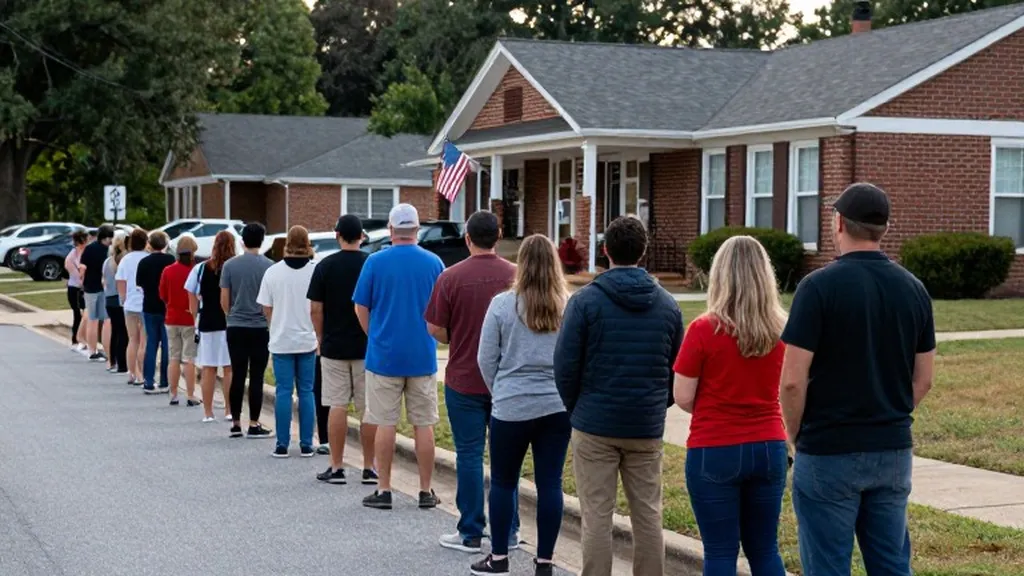
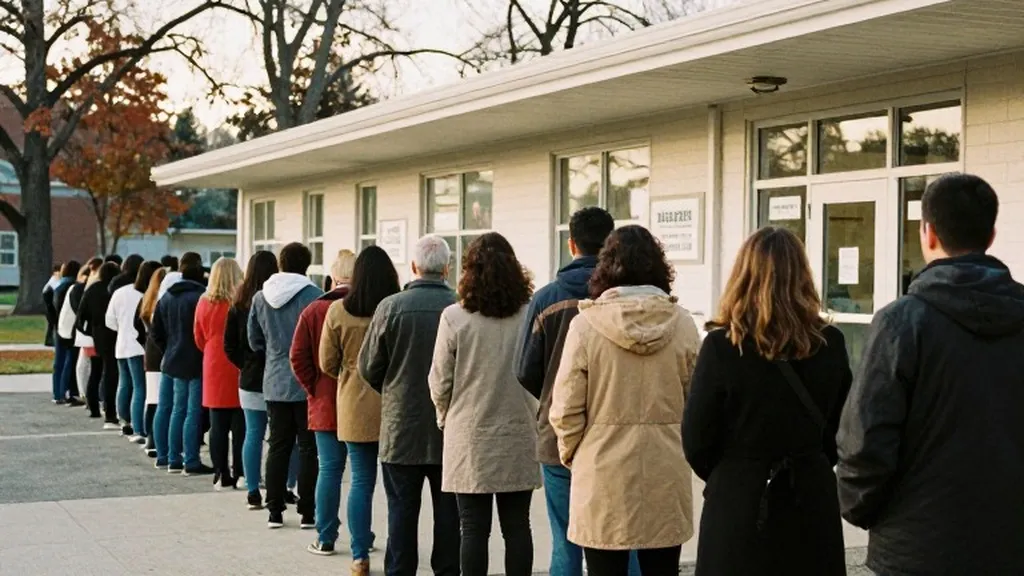
Voters across the nation are casting ballots in the 2026 midterm election, a contest that will determine the control of the United States Congress for the final two years of President Donald Trump's second term. As polls open, attention has turned to a significant campaign promise made by the President last week in Dallas. Trump pledged to send a $5,000 check to every adult American citizen if the Republican Party maintains its majority in both the House of Representatives and the Senate. The President referred to this proposal as the Trump dividend during his address at the Republican Midterm Convention.
The promise was delivered with confidence, yet it immediately raised questions about the mechanism of payment and the source of funds. According to the Associated Press, the President stated that the United States is experiencing tremendous economic success and is generating substantial revenue, particularly from tariffs. He compared the proposed payments to successful companies distributing cash to their shareholders. However, the administration has not released a formal plan detailing how the checks would be distributed or the specific legal authority that would allow for such spending without prior legislative action.
House Speaker Mike Johnson, a Republican from Louisiana, addressed the logistical challenges of the proposal on Sunday. Johnson stated that congressional approval is required for the payments to proceed. He described the idea as creative but noted that Congress would need to act to make it a reality. The Speaker pledged to work with the President to implement the plan, emphasizing that he would strive to find consensus within the chamber despite the narrow Republican margin. This statement came shortly after the President said that he did not believe Congress would need to authorize the payments, a claim that has drawn attention from legal and economic observers.
Fiscal experts have pointed out that the cost of the dividend could exceed one trillion dollars. The U.S. Census Bureau estimates there are approximately 245 million adult U.S. Citizens, which would place the total cost of the checks at roughly 1.2 trillion dollars. This expenditure would occur against a backdrop of a nearly 1.8 trillion dollar annual budget deficit. PolitiFact reported that the biggest payment is far from certain, noting that the administration has not outlined a clear funding source that can cover the expense without impacting the national debt or exacerbating inflation.
Vice President JD Vance indicated that some of the funding might come from tariff revenue. However, analysis from the Tax Foundation suggests that projected tariff revenues over the next decade may not be sufficient to cover the entire cost of the dividend. Erica York, a senior economist at the Tax Foundation, wrote that the payments would consume almost all the revenue that new tariffs are projected to bring in over a ten-year period. The White House has defended the proposal, with spokesperson Davis Ingle stating that President Trump has consistently proven his doubters wrong and highlighted the positive growth under the current administration.
Criticism of the promise has emerged from both sides of the aisle. Some Republican lawmakers have questioned the price tag, with Texas Congressman Chip Roy suggesting on social media that dependency is soul-sucking in all its forms. Democrats have seized on the proposal as an example of the administration's spending priorities. The Associated Press noted that only 35 percent of U.S. Adults approve of Trump's job performance, with many citing high prices and an unpopular war with Iran as primary concerns. The economic strain is a central issue for voters heading to the polls, with many feeling that wages are not keeping pace with the cost of living.
Election law experts have weighed in on the legality of promising such a financial incentive during a campaign. Rick Hasen, a professor at the UCLA School of Law, stated that Trump would likely have a strong First Amendment defense if a state attempted to prosecute him for the promise. Hasen compared the dividend to other common campaign pledges, such as tax cuts or healthcare expansions, noting that politicians frequently make such promises to voters. Richard Painter, a government ethics expert at the University of Minnesota, agreed, pointing to historical precedents where candidates promised financial benefits to the public.
The timing of the announcement, just one week before the election, has led some observers to question whether the dividend is an attempt to buy votes. The President has a history of proposing similar payments, including a 2,000 dollar tariff dividend in November 2025 and a 5,000 dollar DOGE dividend proposed by Elon Musk in early 2026. Neither of those earlier proposals materialized into actual payments for the general public. The current proposal is distinct in its explicit link to the outcome of the midterm election, creating a direct connection between the political win and the financial reward for voters.
Speaker Johnson emphasized the importance of the upcoming election, stating that the polls are underestimating Republican enthusiasm. He has been traveling extensively to campaign for House candidates, arguing that voters are choosing between a proven record of results and a risky change in leadership. The Democratic Party, meanwhile, is focused on the cost of living and oversight of the administration. House Democratic Leader Hakeem Jeffries has outlined a 100-day agenda that includes actions to address inflation and increase scrutiny of executive actions. The outcome of these elections will shape the legislative landscape for the remainder of the President's term.