Democrats control both chambers, setting stage for oversight and 2028
With a 250-157 House majority and 54-44 Senate lead, new leaders face immediate pressure to investigate ICE and vet nominees while Republicans regroup.
By Vikram Harrison ·

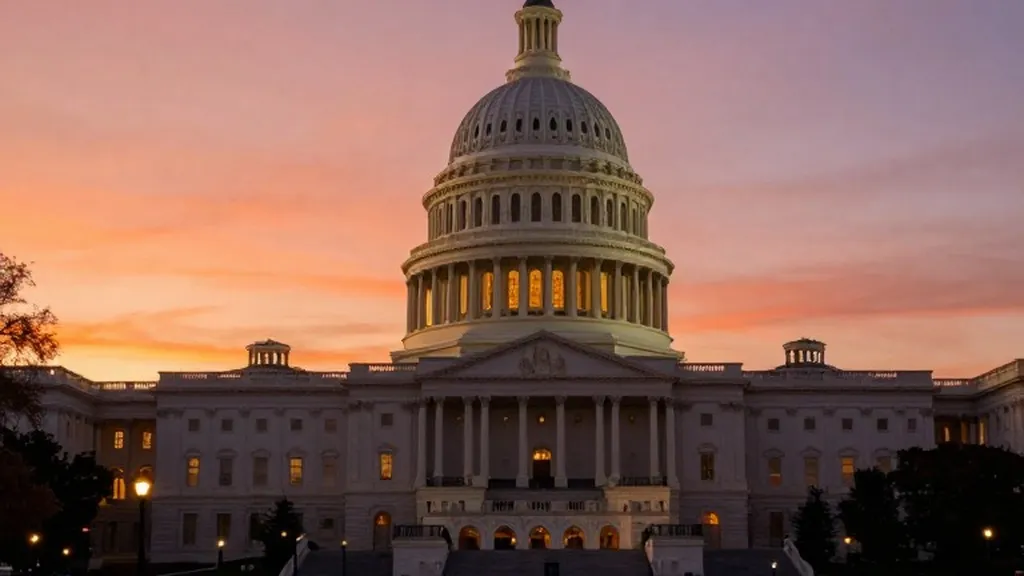
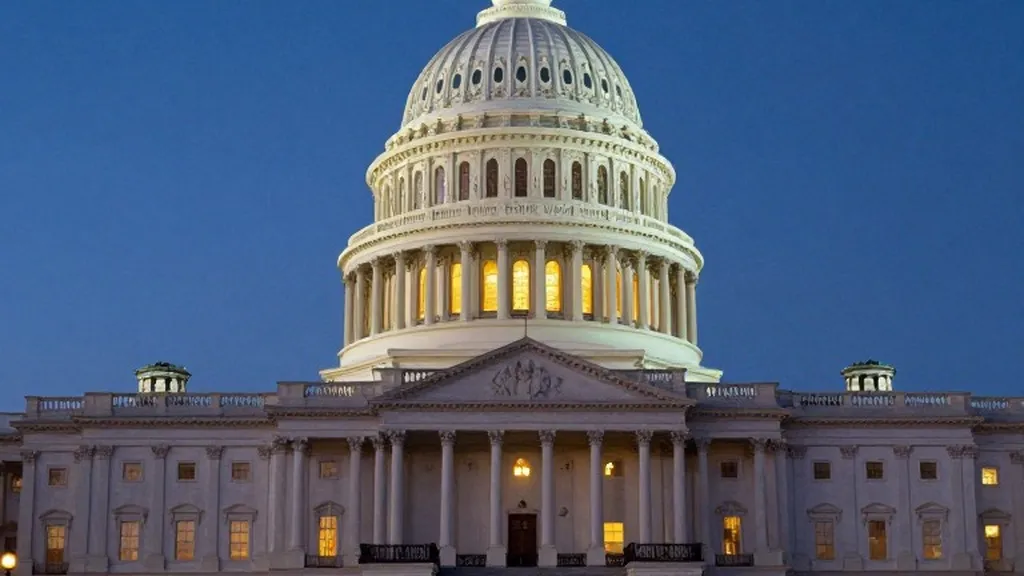
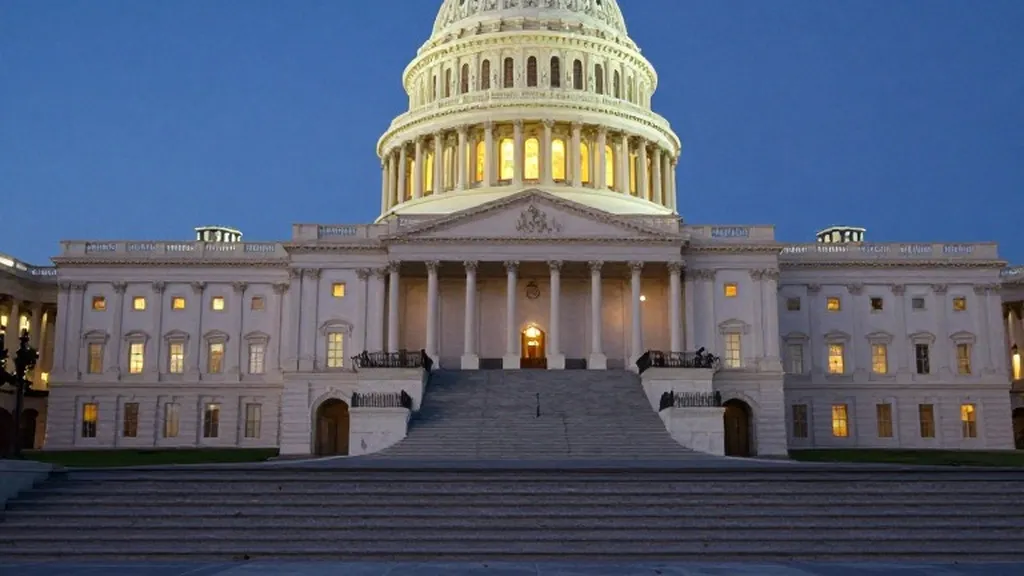
The 2026 midterm elections concluded with a decisive shift in power, as Democratic candidates secured majorities in both the U.S. House and the U.S. Senate. According to Ballotpedia results available on November 6, Democrats will hold at least 250 seats in the House and 54 seats in the Senate. This outcome marks a significant loss for the Republican Party, which lost at least 42 House seats and seven Senate seats. The shift in control means that for the final two years of the current administration, the legislative branch will be led by the opposition party, fundamentally altering the balance of power in Washington.
The immediate implication of this new configuration is the potential for robust oversight and investigations. Democrats have already signaled that oversight of Immigration and Customs Enforcement and the Department of Homeland Security is a top priority. This focus follows a period of intense activity in these areas, including major operations in multiple cities that led to a surge in arrests. The new congressional leadership is expected to use its committee jurisdictions to scrutinize these agencies, a move that was highlighted by Senate Democratic Leader Chuck Schumer as a necessary check on executive branch actions.
The new House leadership will also be tasked with advancing specific legislative agendas. Representative Eric Swalwell, who is positioned to lead House efforts, has outlined a 100-day agenda that includes measures related to cost of living and health care. These priorities resonate with voters who cited economic concerns as a key factor in their choices. The House majority allows Democrats to initiate legislation that addresses these domestic issues, providing a clear platform for their legislative work in the coming months.
In the Senate, the control of the chamber affects the confirmation of presidential nominees. With a 54-44 majority, Democrats hold the power to influence the vetting process for federal judges and executive branch officials. This gives the Senate Democratic leadership leverage in negotiations with the White House. The composition of the Senate will also determine the outcome of key committee votes, which are often the first step in the confirmation process. This structural advantage allows the new majority to set the tone for how nominees are evaluated and advanced.
The election results have also intensified discussions about the 2028 presidential race. President Donald Trump has hinted that he may stay on the sidelines for the Republican nomination, suggesting he is better off not getting involved. He named Secretary of State Marco Rubio as a strong contender, stating that he is great and that there are many others in the pool. This comment adds to the speculation about which Republicans will step forward to challenge the current administration in the next election cycle. The Democratic side, meanwhile, will likely focus on building a field of candidates that reflects the diverse coalition that delivered the midterm victory.
The Republican Party faces the task of regrouping after a significant setback. The net loss of seven Senate seats places this election in the top 20 percent of election years in terms of seat swings against a president’s party. This is defined by Ballotpedia as a wave election. The House loss of 42 seats, while short of the threshold for a wave, still represents a substantial decline in representation. Republicans will need to assess their messaging and strategy to recover ground in the next election cycle, particularly in states where they lost control of both the governorship and the legislature.
The shift in power also affects state-level politics. Democrats won a plurality of state government trifectas and a majority of governorships for the first time since before the 2010 elections. Specifically, Democrats won 22 of the 36 gubernatorial races on the ballot. This state-level strength provides a foundation for future federal races and allows Democrats to shape state policies that align with their national agenda. The control of state legislatures in 46 of the 88 chambers on the ballot further solidifies this influence, giving Democrats the ability to pass state-level legislation that can serve as models for national policy.
The new congressional leadership will also face the challenge of managing the relationship with the White House. President Trump has indicated a willingness to work with Democrats on immigration, stating that a deal is doable. However, the appointment of Stephen Miller as the new chief of staff has raised questions about the administration’s direction. Miller is the architect of the administration’s hardline immigration policies, and his promotion has been met with skepticism by some Democrats. The new Congress will need to navigate these dynamics while pursuing its legislative and oversight priorities.
The election results also highlight the importance of redistricting and the Republican money edge as obstacles for the Democrats in the future. While the current map favored Democrats in many key races, the next redistricting cycle could change the landscape. Republicans are expected to use their resources to target vulnerable Democratic districts in the next election. The new Democratic majority will need to build a broad coalition to maintain its advantage, focusing on issues that resonate with a wide range of voters, including cost of living, health care, and oversight of the administration.
The historic wins by Democratic candidates, including in areas that Republicans had held for decades, signal a significant shift in the political landscape. The new congressional leadership is now poised to define the agenda for the final two years of the administration. With control of both chambers, Democrats have the tools to investigate, legislate, and shape the political narrative. The coming months will test their ability to translate their electoral victory into tangible policy outcomes and to prepare for the challenges of the 2028 election cycle.