Democrats Seize Congress as Trump Vows Fight, Native Women Make History
The election results show a Democratic mandate for oversight and a historic wave of Native women in power, setting the stage for a confrontational second term.
By Layla Richardson ·
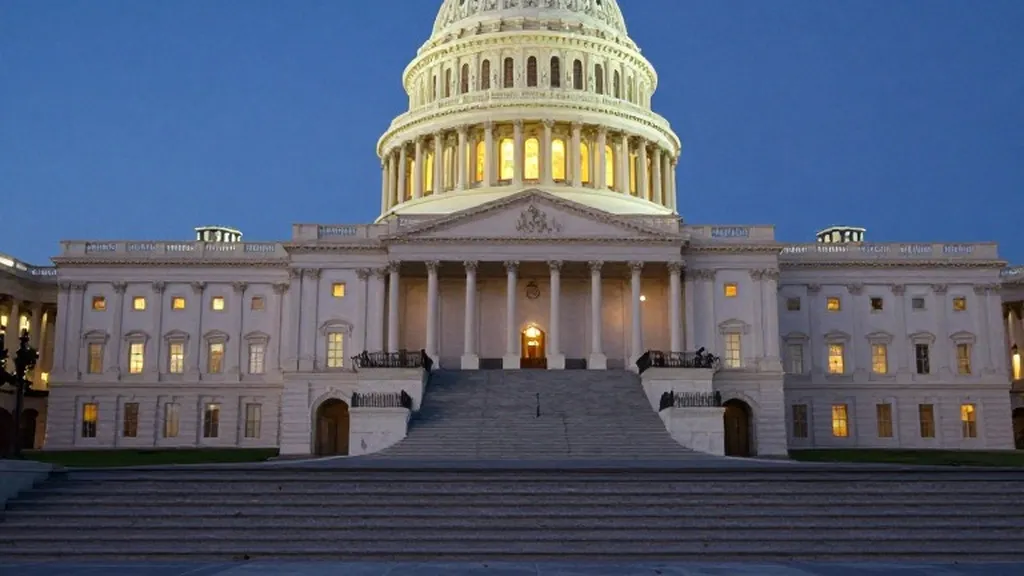
The 2026 midterm elections have concluded with a decisive shift in power, as Democrats secured healthy majorities in both the House and the Senate. This victory provides the party with the legislative tools to launch an aggressive investigative agenda against the executive branch. The results mark a turning point for a party that campaigned heavily on lowering the cost of living and restoring checks and balances on the presidency. Voters nationwide expressed clear dissatisfaction with the current administration, with about seven in ten stating that Congress was not doing enough to check presidential power.
The new leadership is already signaling a combative stance. Rep. Robert Garcia of California, who is poised to chair the powerful House Oversight Committee, described the coming session as a time for accountability. He stated that the days of Democrats not fighting back are over. This rhetoric sets the tone for a showdown that will likely define President Donald Trump's remaining two years in office. The election results have handed Democrats the mandate to pursue aggressive investigations into what Garcia calls the Trump crime family.
President Trump reacted swiftly to the loss, declaring on social media that the investigative requests already made by Democrats are extortion at the highest level. He suggested that those making the demands should be held accountable. Attorney General Todd Blanche echoed this sentiment, noting that criminal investigations of Democrats are possible. Blanche argued that Democrats are threatening existing members of the administration and companies, a concern he said the president shares. This defiant posture from the White House contrasts with the aggressive posture of the incoming Democratic leadership.
Democratic leaders are preparing to use their new majority to test the limits of congressional power. House leader Hakeem Jeffries of New York, who is on the cusp of becoming the nation's first Black House speaker, confirmed that impeachment is an option for those who have shortchanged the American people. Jeffries also expressed strong support for a pending resolution to impeach Defense Secretary Pete Hegseth. He described Hegseth's position as untenable, stating that he is a hard yes on the resolution. Hegseth has dismissed the push as political, but the Democratic leadership remains firm.
The election results also brought a wave of historic firsts for Native American women, signaling a seismic shift in political representation. Crystalyne Curley was elected the first woman president of the Navajo Nation, narrowly defeating attorney Justin Jones. Curley, who previously served as the first female speaker of the tribal council, plans to transition the nation away from coal development. She noted that women in Navajo politics have to work twice or triple as hard, but her victory shows that the leadership structure is changing. The Navajo Nation spans 27,000 square miles across three states, making this a significant milestone for one of the largest tribes.
In the U.S. Senate, Peggy Flanagan became the first Native American woman elected to the chamber. Flanagan, a citizen of the White Earth Nation and the state's outgoing lieutenant governor, credited her victory to the support of Native women. Her election joins Oklahoma Republican Sen. Tom Cole as one of only four Native people to ever serve in the Senate. In New Mexico, Deb Haaland won a historic victory as the first female Native governor of a U.S. state. Haaland, a Laguna Pueblo citizen, is tasked with making life more affordable for struggling New Mexicans and addressing poor education outcomes in the state.
The momentum for Native women continued in the House of Representatives. New York Democrat Claire Valdez and Michigan Democrat Sean McCann became the first Native Americans elected to represent their states in Congress. Valdez, a citizen of Ysleta del Sur Pueblo, and McCann, a citizen of the Citizen Potawatomi Nation, join other historic winners. In Kansas, Democrat Sharice Davids won reelection, and in Oklahoma, Republican Josh Brecheen retained his seat. These results demonstrate that decades of political organizing are bearing fruit as more Native women run for and win office.
Despite the unified front on oversight, some new Democrats are urging caution regarding the pace of investigations. Sen.-elect Adam Hamilton, the first Democrat elected to the Senate from Kansas in 94 years, expressed skepticism about impeachment. He stated that his campaign was about bringing people together and that he does not want the next two years to be spent dividing the country further. Hamilton said he is more interested in setting up guardrails than in pursuing impeachment. He believes that while investigations are necessary, the focus must remain on delivering results for working-class families.
Sen. Bernie Sanders of Vermont echoed this sentiment, warning that the party cannot spend all its time investigating the president. He emphasized the need to stand up for working-class families and make a real difference in their lives. This internal debate highlights a tension between the desire for accountability and the need to pass legislation on cost of living and healthcare. The incoming majority must balance these competing priorities to avoid letting their healthy majorities prove fleeting. The early rhetoric suggests a long and contentious relationship ahead between the new Congress and the White House.
The election also saw a significant shift in the dynamics of the administration's internal leadership. Jeffries criticized Trump's choice of Stephen Miller as chief of staff, calling it an awful choice. Jeffries cast doubt on the prospect of working with Miller, who is an architect of the administration's mass deportation policies. Nationally, about six in ten voters said that the administration's actions on immigration enforcement had gone too far. This statistic underscores the electoral mandate that Democrats now hold to push back against what they view as extreme policies. The new Congress is set to return to the Capitol this week to begin organizing the committee structures that will drive the investigative agenda.