Courts step in as election day legal battles shape voting access
Federal rulings in Alaska and California, combined with Postal Service adjustments, are defining the administrative landscape for today's midterm vote.
By Vikram Harrison ·

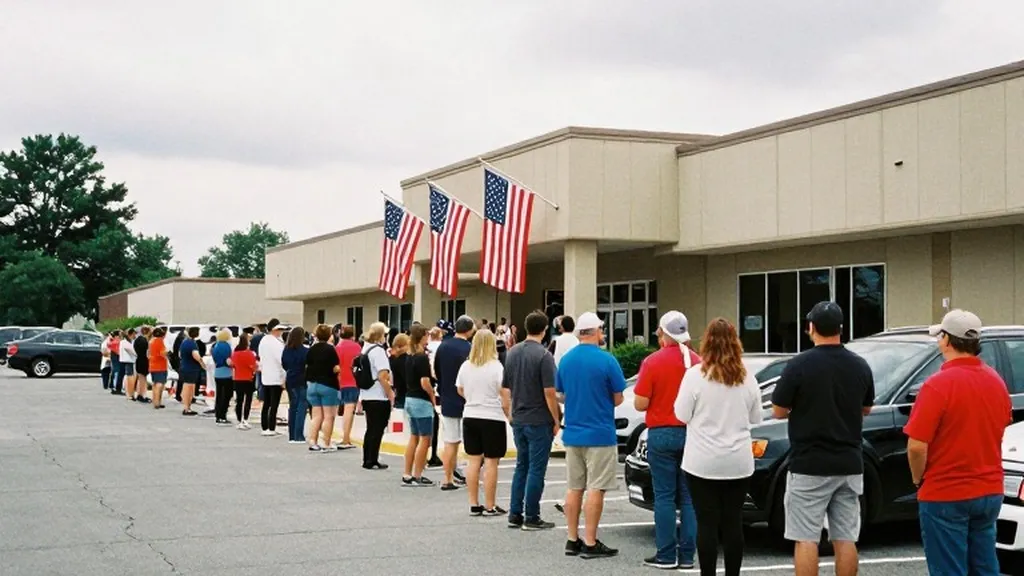
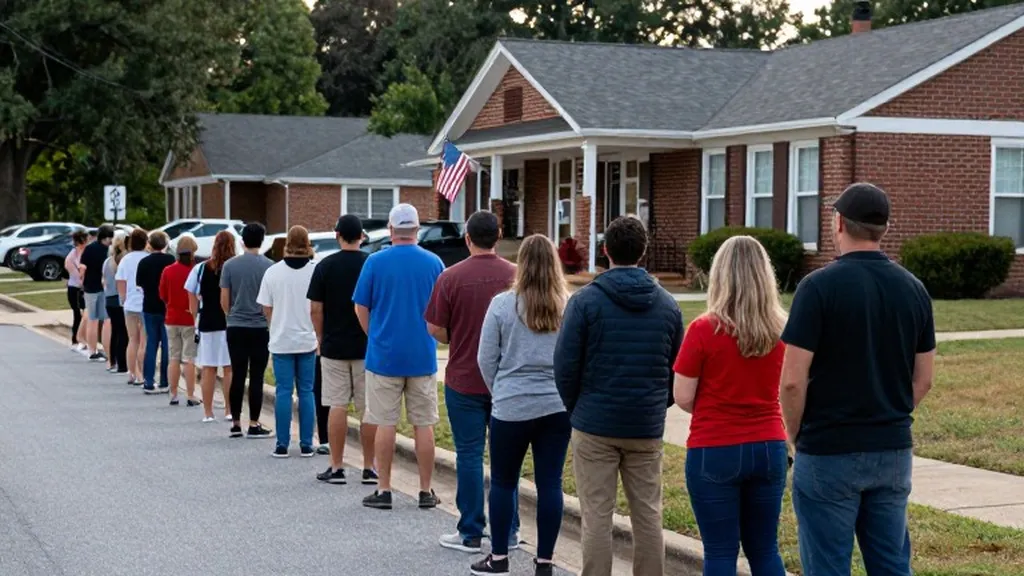
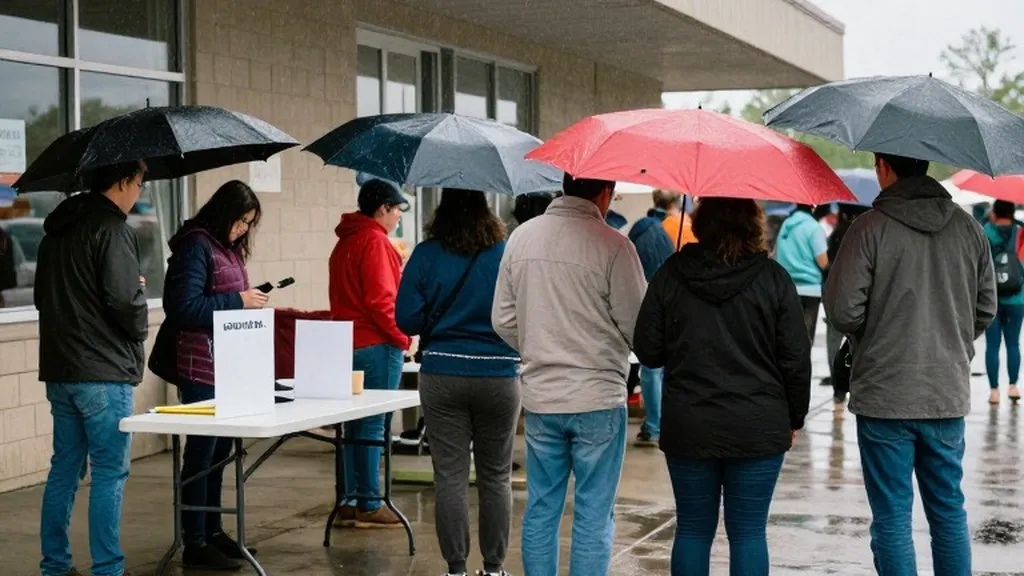
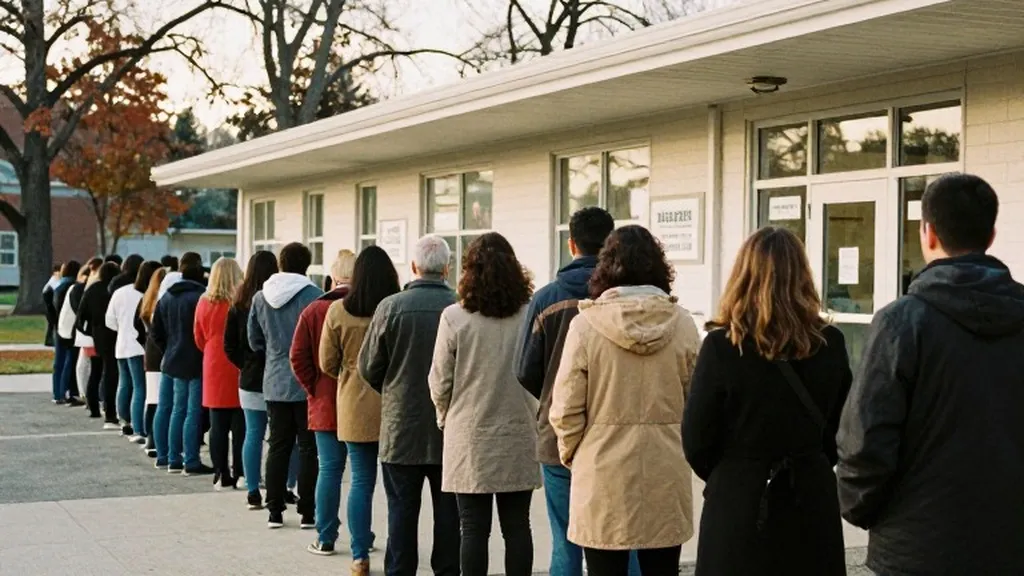
Voters across the nation are heading to the polls on Tuesday to decide which party controls Congress for the final two years of President Donald Trump's second term. The outcome will determine whether Democrats can secure a majority in the House or Senate, a shift that would likely trigger investigations and oversight actions against the administration. With polls open, the focus has turned to the legal and logistical hurdles that have surrounded the election, particularly regarding who is eligible to vote and how mail ballots are processed.
A federal judge issued a temporary bar on Monday against a Trump administration plan designed to prevent noncitizen voting. Critics of the plan argued that it risked disenfranchising eligible voters by infringing on the authority states hold over their own elections. This legal intervention adds to the tension surrounding the midterms, as Democrats have expressed concern that aggressive federal actions could lead to interference or intimidation of local election officials. The ruling allows the standard state processes to continue while the broader legal questions remain unresolved.
In California, a separate court order directed the administration to stop demanding that election officials segregate ballots cast by individuals on lists of suspected noncitizens. This move is significant in a state that relies heavily on mail voting, where logistical delays or confusion could impact the final count. The California ballot order highlights the growing role of the judiciary in shaping the immediate mechanics of the election. For voters in the Golden State, this decision ensures that ballots are handled according to established state protocols rather than new federal mandates that were in dispute.
The U.S. Postal Service has also taken specific measures to ensure the timely processing of mail ballots. The agency added extra hours, increased staffing, and created special lines dedicated to election mail. These steps are crucial for states where a large portion of the electorate votes by mail. By prioritizing election mail, the Postal Service aims to prevent the bottlenecks that have plagued previous cycles. This logistical support is a key component of the election administration strategy, ensuring that every ballot received by the deadline is counted.
Legal challenges are not limited to voting eligibility. In Alaska, the Trump administration filed a lawsuit related to the certification of the Senate result. This action reflects the broader legal strategy being employed by the administration to assert federal oversight in key races. The Alaska lawsuit, combined with the California order, illustrates a pattern of federal judicial engagement in specific state election processes. These legal maneuvers have become a central part of the narrative for the 2026 midterms, influencing how both parties prepare for the count.
Meanwhile, the financial dynamics of the election continue to play out in the background. Republican committees outraised and outspent their Democratic counterparts, aided by groups affiliated with President Trump and billionaire Elon Musk. However, at the candidate level, Democrats managed to outraise their opponents. This financial disparity is evident in advertising, with 88.1 percent of Republican general election TV ad spending going to states and districts that Trump won in 2024. The concentration of spending suggests a strategy to reinforce Republican hold on the Senate, particularly in states where the margins are tight.
The mood among voters is shaped by economic concerns and the ongoing war with Iran. The Associated Press describes the election as a referendum on the administration's performance, with many Americans struggling with high prices. Polling data indicates that a majority of adults believe the country is heading in the wrong direction, with many blaming the president for the cost of living. These sentiments are driving turnout, with more than 57 million people having already voted as of Monday. The high volume of early voting underscores the intensity of the contest and the desire of citizens to influence the balance of power in Washington.
Democratic leaders are cautiously optimistic, noting that the anger of the American people is a powerful motivator for change. House Democratic Leader Hakeem Jeffries has outlined a 100-day agenda focused on the cost of living and oversight, signaling what a Democratic-led House would prioritize. If Democrats win either chamber, the potential for impeachment proceedings becomes more likely, adding to the stakes for the administration. The party is counting on this momentum to overcome the structural advantages that Republicans have gained through redistricting in several states.
Republicans, meanwhile, are bracing for a potential loss in the House while fighting to maintain their Senate majority. They argue that turnout is the deciding factor, with RNC Chairman Joe Gruters stating that winning depends on getting their voters to the polls. The party has leaned on the midterm pattern, where a president's party typically loses seats, but they are using new congressional maps to their advantage. Despite these strategies, the legal and administrative complexities of the day remain a critical focus for both sides as they monitor the progress of the count.
The intersection of legal rulings and logistical preparations defines the character of this Election Day. From the temporary bar on noncitizen voting measures to the Postal Service's dedicated mail lines, the infrastructure of the election is being tested in real time. These factors will influence the final tally and the narrative surrounding the integrity of the process. As voters cast their ballots, the courts and administrative agencies are working to ensure that the results reflect the will of the electorate, setting the stage for the next two years of congressional governance.