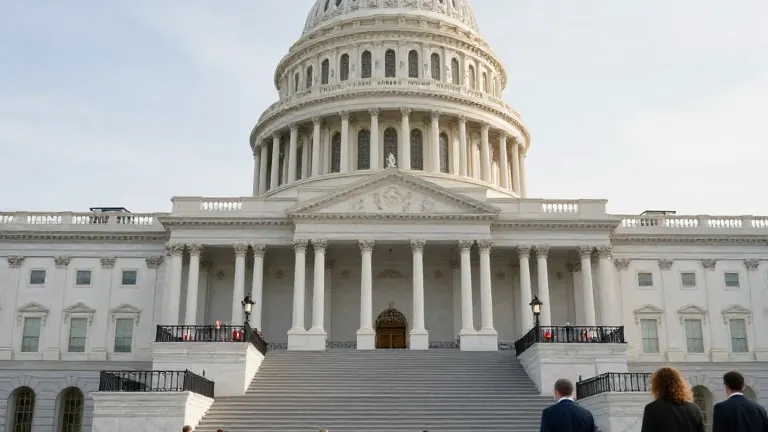
Midterm Fallout: Senate GOP Blames Trump for Losses
Returning lawmakers cite poor endorsements and wasted campaign funds as key reasons for the party's heavy defeat in last week's elections.
By Nikolai Patterson ·
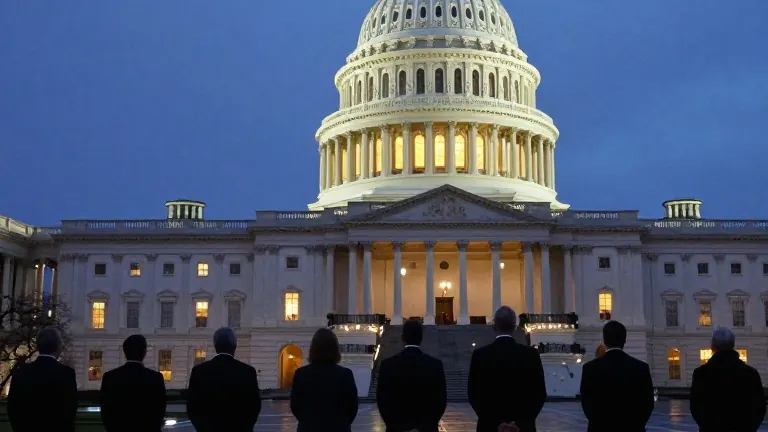
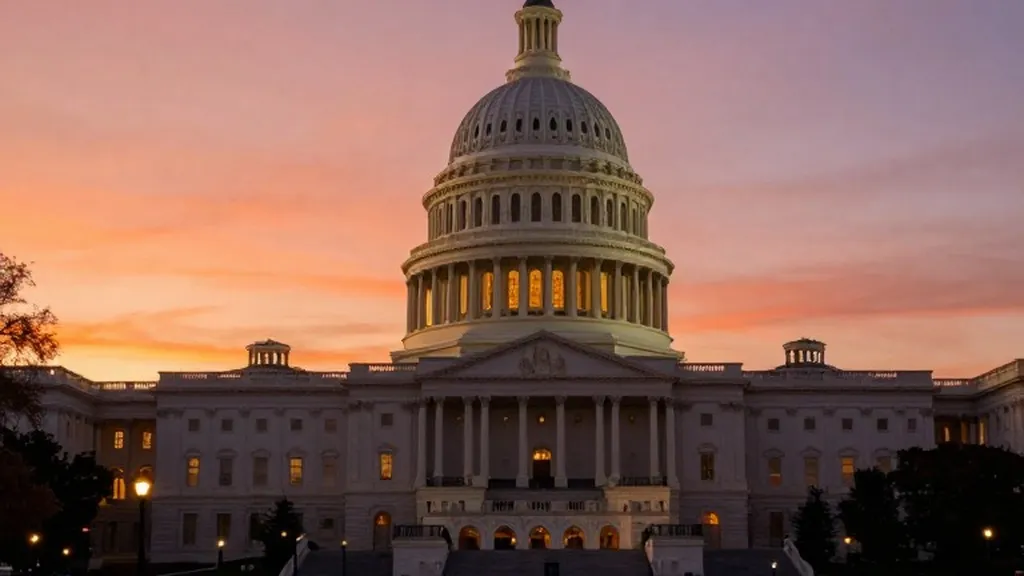
Senate Republicans returned to Washington on Monday with a clear message of frustration toward President Trump. Many in the party believe the president's actions directly caused their significant losses in the House and Senate races held last week. This shift in sentiment could alter the dynamic between the White House and Congress during the final months of the current term.
The tension intensified after Trump announced on Friday that Stephen Miller would replace Susie Wiles as White House Chief of Staff. Miller is known for his hardline stance on immigration. This appointment arrived just as Hispanic voters, particularly in Texas, showed a strong preference for Democratic candidates in the general election. The timing has led some GOP aides to question whether the president is doubling down on policies that hurt his party's chances.
Rep. Marlin Stutzman of Indiana voiced the dissatisfaction openly on Sunday. He told CNN that Miller should be fired rather than promoted. Stutzman argued that when a team suffers a major defeat, the standard response is to replace the people in charge. He noted that Miller was responsible for the policies the party was trying to deliver.
Pollster Whit Ayres said the deference to Trump's personal whims is likely over for now. He pointed to the large margins of defeat in North Carolina, South Carolina, and Texas. In those states, Trump endorsed candidates Michael Whatley, Darline Graham, and Ken Paxton, all of whom lost by wide margins. Ayres believes the president's control over the Senate GOP will loosen in the coming year.
A senior Senate Republican aide said the party needs a leader who can work with others and focus on real issues. The aide criticized Trump and Vice President JD Vance for focusing on internet memes instead of economic concerns. Another aide pointed out that while lawmakers pushed for the benefits of the One Big Beautiful Bill Act, Trump often discussed topics like the White House ballroom and the Lincoln Memorial Reflecting Pool.
Leadership in the Senate had tried to guide the campaign. Majority Leader John Thune lobbied Trump for months to support John Cornyn in the Texas primary or remain neutral. Trump ignored this advice and backed Ken Paxton, who went on to lose the general election. Thune and his team wanted the messaging to stay on tax cuts, such as the provision that exempts tips from taxation. Trump's off-script comments distracted from those legislative wins.
Money management also drew criticism. Trump waited until the final weeks of the campaign to spend the hundreds of millions of dollars he had stockpiled. He said in late October that he would spend more than $400 million by Election Day. GOP strategists said this late spending diluted their impact because television ad rates were higher at that time. A second aide noted that the funds sat idle until it was too late to use them effectively.
Trump blamed the poor Republican candidates for the defeat. He claimed on Election Night that he was not on the ballot and that they would have won in a landslide if he had been. However, many in the Senate believe the responsibility lies with the president. One aide said Trump's message about a good economy did not translate to voters who felt prices were rising. Democrats successfully linked high costs and perceptions of corruption to the GOP.
Sen. John Cornyn wrote in the Wall Street Journal that Trump misread his mandate. He argued that arbitrary tariffs raised prices without improving trade deals. Cornyn also stated that immigration enforcement went beyond what voters expected. He said voters wanted secure borders but received hyperaggressive actions instead.
The upcoming lame-duck session will test the relationship between the president and the Senate. Lawmakers must decide whether to support Trump's agenda or pivot toward a different strategy ahead of the 2028 election. For now, the focus is on managing the fallout and preparing for legislative battles on housing and election rules.
The House and Senate will continue their sessions with the new chamber composition. The loss of at least seven Senate seats and more than 40 House seats changes the arithmetic for passing legislation. GOP leaders must now navigate a period of increased scrutiny and potential gridlock with the new Democratic members in Congress.