UTSA student Gutierrez Gonzalez explores identity through nine Neo-Alebrijes
The MFA thesis exhibition at Blue Star Art Complex uses zodiac-inspired figures to examine the psychological process of integrating dual cultural identities.
By Vikram Harrison ·
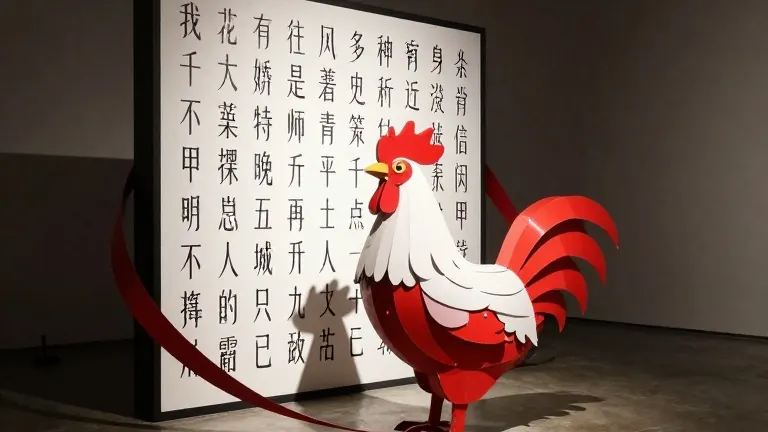
Braulio Ivan Gutierrez Gonzalez is displaying nine mixed-media sculptures at the Blue Star Art Complex in San Antonio.
The solo MFA thesis exhibition, titled De Aquí y De Allá, opened on Nov. 6 and runs through a closing ceremony on Nov. 19. The work is also available online at braulioivangtz.com. Gutierrez Gonzalez, who is expected to graduate from the University of Texas at San Antonio next month, created the pieces using illustration, multimedia, and installation techniques. Assistant Professor of Instruction Martin Rodriguez mentored the artist during his undergraduate studies and helped secure the gallery space.
The collection features figures called Zodiac Neo-Alebrijes, which reference traditional Mexican folk statues. Gutierrez Gonzalez derived the animal forms by cross-referencing the Chinese zodiac wheel with Aztec figures. He selected nine animals from an initial list of twelve that resonated with his personal experiences. The exhibition frames these cultural symbols within the context of parts theory, a psychological model developed by Richard Schwartz, Ph.D. This framework allows individuals to address trauma by focusing on different internal components rather than the specific issue.
Gutierrez Gonzalez, who was born in Matamoros, Tamaulipas, Mexico, and raised in Brownsville, Texas, used the work to process his relationship with dual heritage. He explained that he did not perceive a distinction between Mexican and American cultures while growing up. A recent performance art piece involving punching a wall helped him recognize hidden traumas and his desire to hold both identities simultaneously without hierarchy.
The artist stated that he prefers saying he is Mexican and American rather than Mexican-American, as the latter feels like prioritizing one identity over the other. He now describes his identity as simply America, suggesting that acceptance requires understanding that both backgrounds are part of the whole. One specific piece, Somos: Cocky, features a four-dimensional rooster with cardboard feather details that projects from a rectangular screen decorated with Chinese characters and a red ribbon. The work translates negative and positive internal emotions into the zodiac symbol.
Gutierrez Gonzalez aims to show how media aesthetics compress cultural meaning while intensifying emotional density. He noted that the exhibition demonstrates the ability of different cultures to coexist without one referencing the other exclusively. The artist hopes the audience leaves inspired to appreciate life more. The nine figures represent various people, family members, and internal parts of the artist's life.