Time Change: U.S. falls back one hour as permanent DST bill nears expiration
Most Americans gained an hour of sleep on Sunday, while a congressional push to end the biannual switch faces a January deadline.
By Vikram Harrison ·
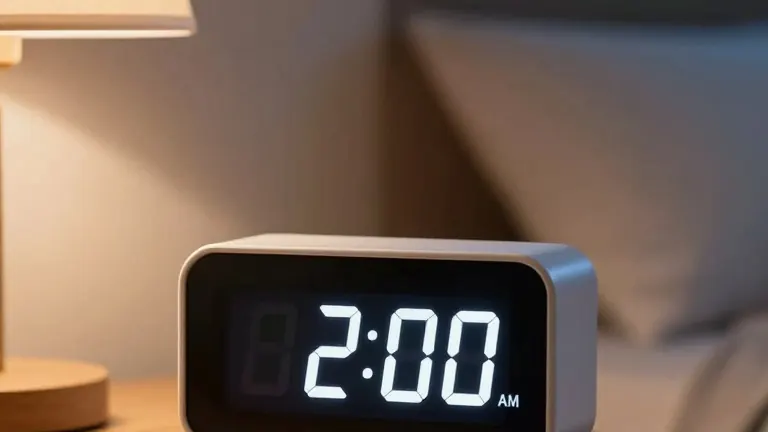
Clocks in most of the United States moved back one hour at 2 a.m. local time on Sunday, November 1. This shift ends daylight saving time for 2026 and returns the country to standard time. Millions of people effectively gained an hour of sleep during the overnight transition.
The practice of adjusting clocks twice a year has a long history in the United States. The nation first implemented daylight saving time in 1918 during World War I to conserve fuel. After the war, Congress repealed the federal mandate but allowed states to keep the practice. Later experiments with year-round daylight saving time during World War II and the 1970s energy crisis proved short-lived. Congress finally established a uniform schedule for the time changes in 1966.
In 2026, the end of daylight saving time arrived the night after Halloween. This timing gave late-night partygoers an extra hour of entertainment and a longer period of rest to recover. For parents of young children, the shift may disrupt established sleep routines until their bodies adjust to the new schedule.
A legislative effort to make daylight saving time permanent is currently moving through Congress. The Sunshine Protection Act cleared a major hurdle in the House in July. The bill would require the United States to stay on daylight saving time year-round, though it would allow states to opt out entirely. President Trump has voiced support for the measure. He publicly criticized Arkansas Senator Tom Cotton, a fellow Republican, for opposing the bill. Trump even shared what he said was Cotton’s cellphone number on social media, urging supporters to call the senator.
Senator Cotton argued that Congress has tried permanent daylight saving time before. He noted that the country reverted to the biannual switch after Americans complained about very late winter sunrises. The Senate now faces a tight deadline to act on the bill. Any legislation awaiting approval in Congress will expire in early January when the new class of lawmakers elected in Tuesday’s midterm elections takes office. If the bill dies, the process will restart from scratch in both chambers before reaching the president’s desk.
The next time change is scheduled for Sunday, March 14, 2027. Clocks will spring forward at 2 a.m. local time. This date falls later in March than usual because the month begins on a Monday. The current schedule, which extends daylight saving time from the second Sunday in March to the first Sunday in November, was adopted in 2007. Prior to that law, daylight saving time began on the first Sunday in April.
Not all parts of the United States observe daylight saving time. Arizona, Hawaii, and the U.S. territories of American Samoa, Guam, the Northern Mariana Islands, Puerto Rico, and the U.S. Virgin Islands remain on standard time year-round. An exception exists within Arizona, where the Navajo Nation observes the time change to align with neighboring communities in New Mexico and Utah.