Debates vanish from tight races
Strategists argue that viral moments in the digital age have made live debates a liability rather than an asset for candidates.
By Vikram Harrison ·
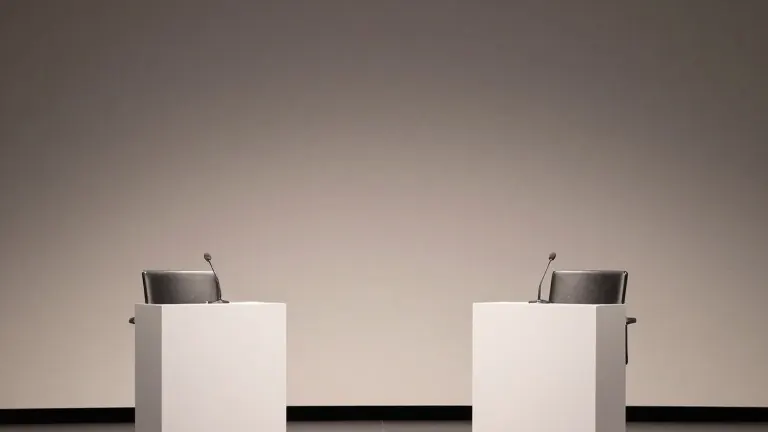
The political calculus for live debates has shifted sharply in 2026. On Oct. 15, Democratic Senate nominee Troy Jackson in Maine interrupted incumbent Sen. Susan Collins with a command to "shut up." The moment occurred unprompted by moderators. Jackson has declined to apologize, and the clip now appears in Republican attack ads. This single interruption illustrates a central tension in the current midterm cycle: candidates are increasingly avoiding the stage where small errors can define a campaign.
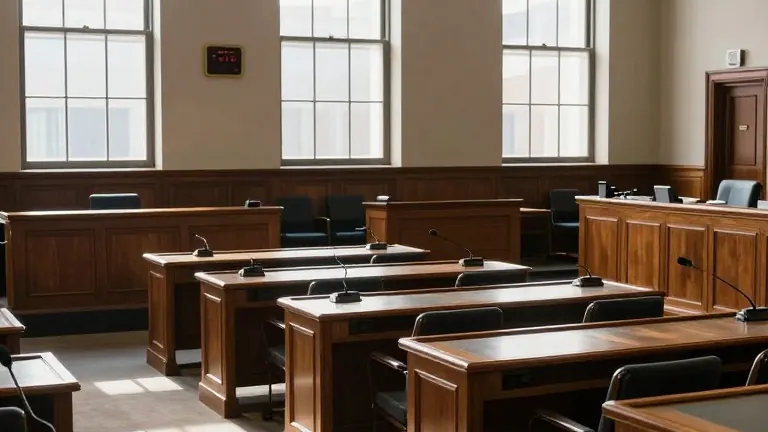
The retreat from debate stages is measurable. Eighteen of the 35 Senate races this year lack a debate between major party candidates. That figure includes Ohio and Texas, two contests rated as toss-ups. In 2024 and 2022, only one of four toss-up races skipped a debate. In 2016, 2018, and 2020, all toss-up races featured debates. The pattern has expanded to the governorships. Twelve of the 36 gubernatorial races will not include a face-to-face comparison. In 2022, seven of those seats skipped debates. In 2014, only four did.
Strategists describe the risk as asymmetric. Chuck Rocha, a Democratic strategist and CBS News contributor, stated that candidates may not win a race during a debate, but they can certainly lose one. Terry Sullivan, a Republican strategist and CBS News contributor, noted that 95 percent of debate content does not matter to voters. The goal is to avoid making the 5 percent mistake and to force the opponent to make theirs.
Candidates cite specific reasons for staying off the stage. In Texas, Democratic candidate James Talarico has repeatedly challenged Republican opponent Ken Paxton to debate. Talarico suggested going into a "lion's den" on Fox News but eventually hosted a solo town hall on CNN. Rocha said Paxton avoids debates to limit questions about past scandals. In Ohio, Democratic gubernatorial candidate Amy Acton refused to debate Vivek Ramaswamy, calling him a "chronic liar" who prevents civil dialogue.
In Alabama, Sen. Tommy Tuberville argued there is nothing to debate with former Sen. Doug Jones because their positions are well known. Jones held a solo event on Oct. 21 where he played clips of Tuberville. Arizona Gov. Katie Hobbs declined to debate Rep. Andy Biggs, stating that face-to-face interactions are more effective than "political soundbites and theater." Biggs responded on X that Hobbs's record was so poor she would not defend it on stage.
In the races that did feature debates, viral moments dominated the coverage. In Michigan, Abdul El-Sayed called Mike Rogers a "sock puppet." Rogers accused El-Sayed of being an extremist and suggested his mother worked for a company indicted for funneling money to al Qaeda. In Alaska, Dan Sullivan accused Mary Peltola of "character fraud" and later claimed she had pre-written answers. Peltola replied, "I'm prepared," a comment that became a viral moment for Democrats.
Kathryn Cramer Brownell, a history professor at Purdue University, said debates used to help people escape echo chambers. In the current media climate, those interactions are often reduced to short clips circulated through social media. These clips are filtered through partisan lenses, undermining the potential for broad viewing.