AI spending and slow wage gains overshadow holiday job bump
Economists predict a modest increase in employment, but wages are growing slower than inflation and AI spending is reshaping the labor market.
By Nikolai Patterson ·
The Bureau of Labor Statistics will release the October employment report at 8:30 a.m. ET on Friday. Economists surveyed by Dow Jones anticipate that the U.S. economy added 59,000 jobs in October, an increase from the 29,000 positions created in September. The unemployment rate is expected to hold steady at 4.2%.
Wage growth remains a central concern for workers. Average hourly earnings are projected to rise by 2.9% on an annual basis. This rate lags behind the 3.7% inflation rate recorded in September. Since March, wages have increased at a slower pace than the cost of goods and services.
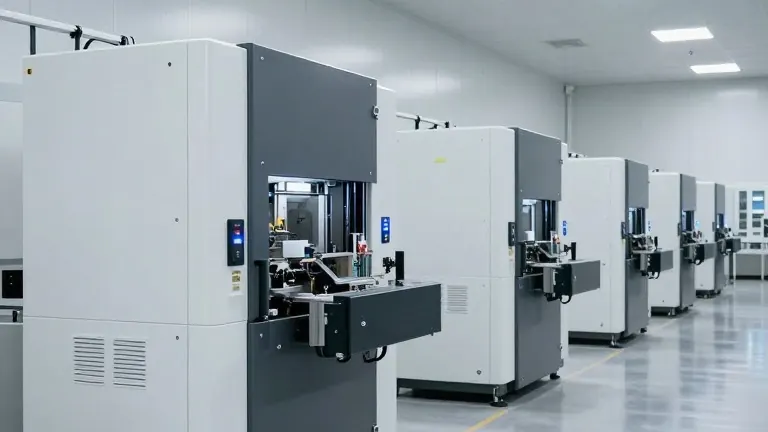
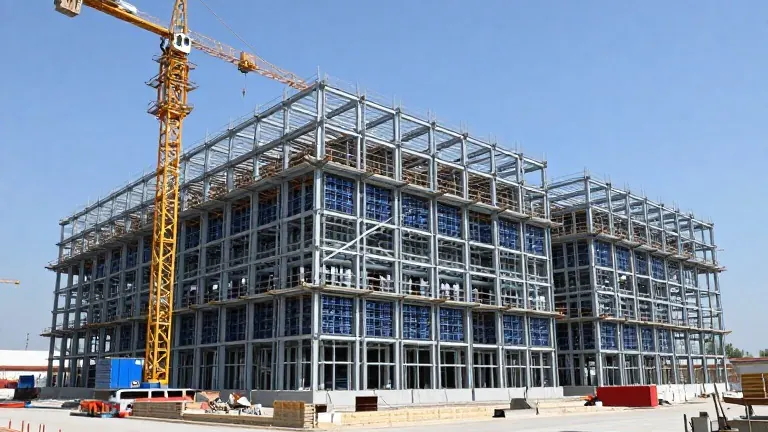
The artificial intelligence sector is driving both investment and price increases. Publicly traded technology companies are spending hundreds of billions of dollars on data centers and AI development. This spending has contributed to higher prices for consumers on items ranging from Apple products to Nintendo Switch 2 consoles. In September, manufacturing jobs rose by 9,000, while construction jobs increased by 11,000. The Bureau of Labor Statistics noted that construction has added an average of 10,000 jobs per month over the past year.
The overall labor market remains sluggish compared to previous years. The economy has added a total of 612,000 jobs through September. This figure exceeds the near-zero growth seen in 2025 but falls short of the millions of jobs added annually from 2020 through 2024. Diane Swonk, chief economist at KPMG, attributed this stagnation to a low rate of turnover and fewer people entering the labor force.
Recent economic data suggests that strong business investment may support employment. Shruti Mishra of Bank of America noted that third-quarter GDP data showed strong business investment. She expects the tech spending to continue supporting jobs in construction and manufacturing through the buildout of data centers. However, risks remain as interest rates stay elevated. Citi economist Veronica Clark wrote that tighter financial conditions could soften labor demand, particularly in residential construction and parts of manufacturing.
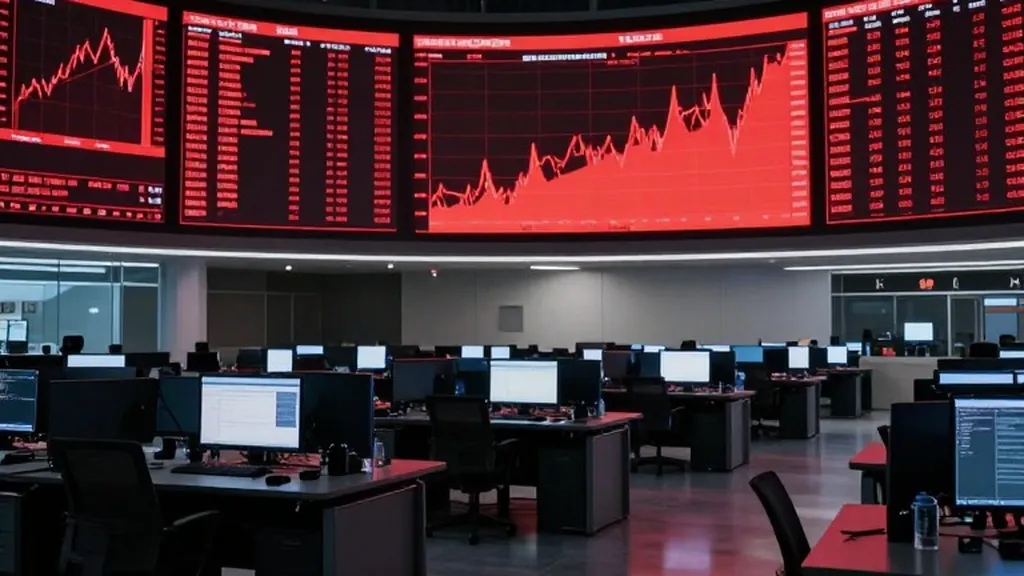
Market volatility has intensified in recent days. On Thursday, the S&P 500 and Nasdaq Composite experienced their worst one-day sell-offs since April 2025. The Nasdaq 100 dropped 6%, erasing more than $2 trillion in value. This decline followed Tuesday’s elections, where 75% of voters in an NBC News exit poll described the state of the economy as "not so good or poor."
Holiday season hiring offers a potential boost to the numbers. The Indeed Hiring Lab reported that seasonal hiring started its best in several years. The firm noted that large employers are posting fewer seasonal jobs than a year ago but are hiring more non-seasonal, part-time workers. Andy Challenger of Challenger, Gray & Christmas said that tariffs continue to affect supply chains, leading retailers to rely on automation and existing staff before adding new seasonal workers.
More Business · Buyer Beware · Report a business · Got a Story?