3,031 flights: Maine air ambulance demand doubles since 2015
LifeFlight of Maine is using higher pay and in-house mental health support to retain staff as rural hospitals close and ground EMS struggles to keep up.
By Layla Richardson ·
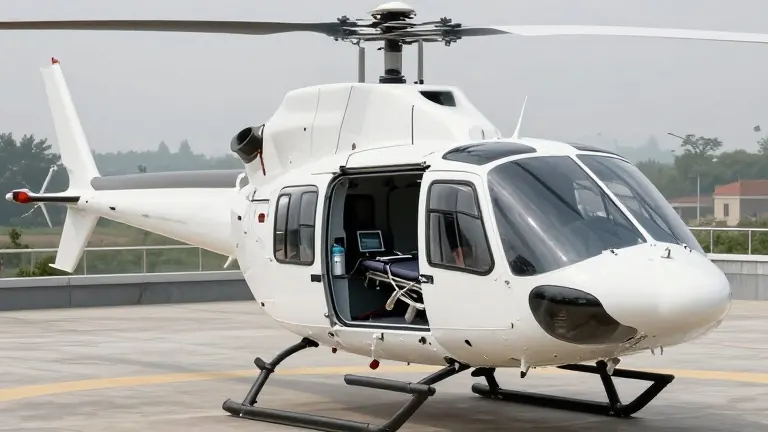
Patients in Maine face a widening gap between their local hospitals and specialized trauma centers. As rural facilities close or convert to outpatient units, the distance to comprehensive care grows. Ground ambulances, often strained by budget cuts, cannot always cover the distance. This leaves air medical crews to transport patients across the state's vast terrain.
Demand for these services has doubled since 2015. LifeFlight of Maine crews completed 3,031 flights in 2025, averaging more than one every three hours. Demand is projected to rise by another 10% this year. Nicholas George, who runs the national ETHOS Database for air medical programs, states that the need for air services is increasing year over year.
The pressure on EMS stems from structural changes in healthcare. Rural hospitals are closing or stopping unprofitable services like labor and delivery. The Congressional Budget Office estimates Medicaid cuts of $911 billion over ten years will accelerate these closures. In one instance last year, a patient in northern Maine died while dispatchers called 10 ambulance services without a response.
LifeFlight addresses the staffing crisis through a six to eight month orientation program called the Critical Care Academy. The company also raised paramedic pay to match flight nurses, a rare move in an industry where paramedics typically earn less. CEO Joe Kellner, a former paramedic, implemented these changes to improve retention. LifeFlight also hired a full-time mental health counselor to support staff dealing with trauma exposure.
The financial stakes for retention are high. Kellner estimates it costs approximately $100,000 to train a new employee. For years, the company retained only 60% to 70% of its workforce. This year, for the first time in nine years, LifeFlight is nearly fully staffed. The company is one of few independent nonprofit air medical providers, distinct from the for-profit businesses that dominate the sector.
Training involves rigorous simulations. Instructors use breathing mannequins and pig tracheas to test paramedics on emergency procedures like intubation and airway management. Dr. Dave Saquet manipulates vital signs on a laptop to simulate patient deterioration. Medics must respond to scripted scenarios, including house fires and respiratory distress, to maintain proficiency.
Paramedic Brian Merklin joined LifeFlight after leaving the profession for several years following a period of burnout in Nevada. He now serves on a peer support team. He notes that while many employers discuss mental health, LifeFlight provides tangible support. Flight nurse Denise Saucier, who has worked for the service for seven years, says the job remains a dream despite the difficulty.
The current flight involves transporting a patient from a community hospital rooftop to a trauma center. Most patients are unconscious or too ill to share their stories. The crew stabilizes the patient for the journey. If hundreds of rural hospitals close, these highly trained clinicians may become the primary link between patients and life-saving care.