
1% of Medicare Patients Could Face New Limits on Remote Health Monitoring
A proposed federal rule would stop Medicare from paying for third-party remote monitoring vendors, a change critics say will hurt rural seniors most.
By Vikram Harrison ·
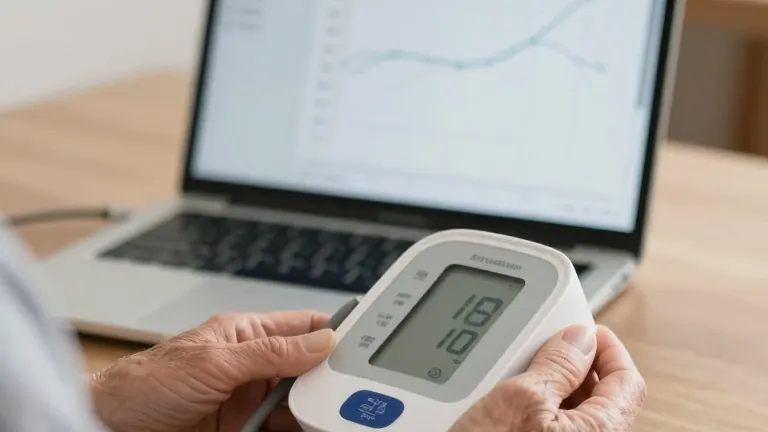
Only 1% of patients in traditional Medicare currently use remote physiologic monitoring, but a proposed rule from the Centers for Medicare & Medicaid Services would restrict who can bill for these services. The agency plans to halt reimbursements when providers use health technology companies to administer remote monitoring, limiting payments to services delivered by staff at the provider's own facility.
Dianne Williams, who lives in rural Georgia, relies on a home blood pressure cuff connected to CoachCare. The device transmits data to a nurse who calls her monthly, and the routine helped her lower her blood pressure and lose weight. "It’s good to have somebody talk to you and tell you what your progress is like," Williams said. She noted that the coaching encouraged her to change her diet, such as switching from fried to baked fish, and to exercise daily.
The proposal responds to 2024 and 2025 reports by the Department of Health and Human Services Office of Inspector General. Those reports cited concerns about fraud, weak data collection, and cases where patients did not receive treatment from the prescribing clinician. CMS spokesperson Timothy Foster said the agency recognizes the role of technology in improving access, particularly in rural areas, but argued that more safeguards are needed.
Critics warn the rule will disproportionately affect rural communities. Caroline Pearson, executive director of the Peterson Center on Healthcare, stated that the rule would "virtually eliminate the use of remote monitoring services, or dramatically reduce the use" for many patients. She explained that most rural facilities lack the staff to manage these programs internally and depend on third-party vendors.
Andrew Van Ostrand, senior vice president at the Alliance for Connected Care, said the proposal "took us by such surprise." He argued that the rule is "in deep misalignment" with the administration's $50 billion Rural Health Transformation Program. States have already earmarked at least $240 million from their first-year rural health funding for remote monitoring, according to the Alliance.
The rule applies only to traditional Medicare, not Medicare Advantage plans, which cover more than half of participants. However, experts warn that Medicaid and private insurers may adopt similar restrictions. The proposed rule also includes a reduction in reimbursement rates that Van Ostrand described as "draconian."
Enrollment in traditional Medicare remote monitoring programs grew tenfold between 2019 and 2023. Spending on these programs rose from under $7 million to more than $194 million during that same period, according to a Peterson Center report. As of September 14, more than 230 health tech vendors and advocacy groups signed a letter opposing the change, while major insurers like Humana and Blue Cross Blue Shield Association largely support it.