USDA allocates $15 billion to offset diesel and fertilizer costs for farmers
The administration announced payments for diesel and fertilizer costs, citing tariff and war impacts, with votes due in two days.
By Nikolai Patterson ·
The Department of Agriculture announced $15 billion in support for producers this week.
The funds are designed to offset rising costs for diesel and fertilizer. These price hikes have resulted largely from administration tariffs and the war in Iran.
The pledges arrive in the final days before the midterm elections. President Donald Trump visited Iowa and Kansas on Sunday. The election is scheduled for Tuesday.
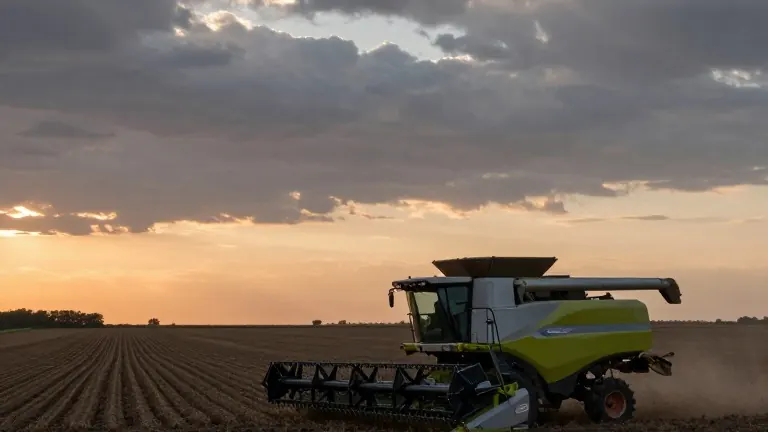
More than half of the new funds, totaling $8 billion, will go to a one-time payment plan for farmers facing high fuel prices. The USDA said it would release more details on these payments this month. It remains unclear when the money will reach the farmers who use diesel for trucks, tractors, and combines.
Gregg Ibendahl, a farm management specialist at Kansas State University, estimated the payments would more than cover the increase in fuel costs. He noted the money could also help with high fertilizer prices.
The administration also announced at least $5 billion in guaranteed loans for ranchers and fishermen. An additional $1.8 billion will go to producers and landowners who participated in conservation programs. The agency allocated $573 million for fertilizer manufacturing projects and $57 million for expanding meat processors.
Specialty crop producers will receive $86.6 million in grants for innovative projects. The agency also stated it would purchase up to $472.5 million in agricultural commodities to support producers and charitable programs.
USDA officials said the department would expand sales of a diesel fuel normally reserved for off-road use. They also announced measures to make cattle sale data more transparent and to strengthen wolf management policies to protect livestock.
Farmers have faced a difficult year due to increased input costs. Diesel averaged $6.32 per gallon on Friday, according to the American Automobile Association. That price is 70% higher than a year ago. Filling a 100-gallon tank now costs $260 more than it did last year.
Ibendahl said the uncertainty in the world has hurt farmers alongside input costs. He expects these ad hoc payments to help farmers who otherwise would not make a profit this year. However, he said the payments do not address the underlying issues driving up prices.
Alexandra Middlewood, an associate professor of political science at Wichita State University, said farmers have mixed reactions. Many are happy their businesses will survive this year, but they view the programs as one-time bailouts rather than long-term solutions.
Michael Smith, a political science professor at Emporia State University, said some rural voters admire President Trump personally but are concerned about specific policies. He noted that immigrant deportations have threatened the agricultural labor force, while cuts to foreign aid and SNAP food stamps have hurt the market for agricultural products.