Trump's $5,000 dividend promise now faces a new Democratic Congress
After Democrats took control of both chambers of Congress, the feasibility of the president's election-night pledge is being scrutinized more closely than ever.
By Vikram Harrison ·
President Donald Trump’s pledge to send every American adult a $5,000 check, known as the Trump dividend, was a central feature of the Republican midterm campaign strategy. The promise was made at the Republican Midterm Convention in Dallas, where Trump told the crowd that if Republicans kept control of both the House and Senate, voters would receive the payment. He framed the offer as a reward for the party’s economic performance, comparing it to corporate dividends paid to shareholders. Now that the election is over and Democrats have secured majorities in both chambers of Congress, the mechanism for delivering those checks has become a subject of intense scrutiny.
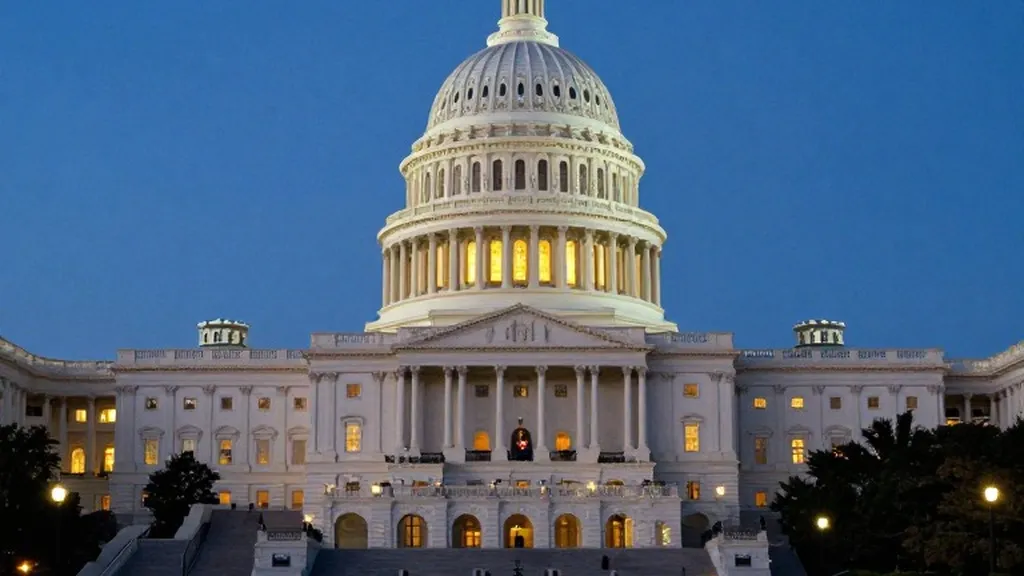
The election results confirmed a significant shift in power. Democrats won at least a 250-157 majority in the House and a 54-44 majority in the Senate, according to early tallies. This outcome means the party that Trump’s promise was designed to reward has lost the very control it was meant to secure. The president had stated that the checks would go out if the GOP maintained power, a condition that no longer applies. As a result, the political and fiscal path to funding the dividend is less clear than it was during the campaign trail.
House Speaker Mike Johnson, who led the Republican effort to pass the One Big Beautiful Bill, said earlier in the year that the proposal would need congressional approval. He described the idea as creative but emphasized that the legislative branch must act to make it happen. Johnson pledged to work through the process and find consensus, even with the slim margins his party held at the time. His comments highlighted the legal reality that the executive branch cannot simply write checks without the authorization of lawmakers. With Democrats now holding the gavel, that process will be led by a different party with different priorities.
Trump himself had expressed doubt about the need for formal approval, telling CBS News Texas that he did not think Congress would need to authorize the payments. He did not specify how he could spend more than $1 trillion without lawmakers' authorization, a point that has drawn sharp criticism from fiscal experts. The White House has pointed to tariff revenues as a potential funding source, but the One Big Beautiful Bill Act did not include a separate line item for a tariff dividend. This gap between the promise and the existing tax code has created a hurdle that the new Democratic Congress is likely to examine closely.
The cost of the program is substantial. The U.S. Census Bureau estimates there are about 245 million U.S. citizen adults. Providing each of them with a $5,000 check would cost approximately $1.2 trillion. This expenditure would add to the country's annual budget deficit, which is already nearly $1.8 trillion. Kenneth Rogoff, a former chief economist at the International Monetary Fund, warned that the U.S. is already running an unsustainable deficit and that this spending would increase the odds of a debt crisis. For many voters, the promise of a large check now competes with concerns about long-term fiscal stability and the cost of living.
Bipartisan criticism of the proposal emerged even before the election was called. Texas Congressman Chip Roy, a Republican, wrote that dependency is evil and soul-sucking in all its forms, questioning the wisdom of the payout. On the Democratic side, leaders have emphasized that the promise was a tactic to energize their base. With the party now in control of Congress, Democrats are in a position to determine whether the dividend becomes law or remains a campaign slogan. The new leadership will have to decide if the economic conditions justify such a large one-time transfer to citizens or if the funds should be directed toward other priorities like health care or infrastructure.
Election law experts noted that the promise itself was likely legal. Rick Hasen, a professor at UCLA, stated that Trump would have a strong First Amendment defense because the pledge was a campaign promise. He compared it to other political pledges, such as promises to cut taxes or expand social programs. However, the legality of promising the money is distinct from the ability to pay for it. The new Congress will face the practical challenge of finding the revenue to cover the cost, especially in an environment where inflation remains a concern and interest rates are high.
The timing of the promise also raised questions about its intent. It was made during the final week of the campaign, a period when candidates often make bold pledges to turn out voters. The condition that Republicans must keep Congress added a layer of complexity, as it tied a financial benefit to a specific political outcome. Now that the outcome has reversed, the promise stands as a test of the new administration's relationship with Congress. The Democratic majority will have to negotiate with a president who has already declared the payment will happen, even as the political landscape that made it possible has changed.
Polls conducted before the election showed that the economy and affordability were top concerns for voters. Many Americans expressed dissatisfaction with the direction of the country and the rising cost of essentials. The Trump dividend was presented as a direct response to these concerns, offering immediate relief to households. However, the new Democratic Congress will likely focus on structural issues that affect long-term affordability. The debate over the $5,000 checks will be part of a broader conversation about how the federal government can best support American families in the coming years.