Trump Promises $15 Billion to Farmers as Election Eve Nearing
The administration announced new payments to offset fuel and fertilizer costs, while political chaos unfolds in Michigan and Alaska.
By Nikolai Patterson ·

Farmers in the United States have received $15 billion in promised financial aid from the Trump administration in the weeks leading up to Tuesday’s midterm elections. The initiatives are designed to help producers pay for higher diesel and fertilizer costs. These expenses rose largely due to administration tariffs and the ongoing conflict with Iran.
More than half of the $15 billion will fund a one-time payment plan for farmers affected by soaring diesel prices. The agency also plans to distribute an additional $13.8 billion in payments. These funds are intended to offset shortfalls during the 2025 crop year for growers of corn, soybeans, wheat, and rice. The payments aim to help farmers who have struggled to turn a profit this year.
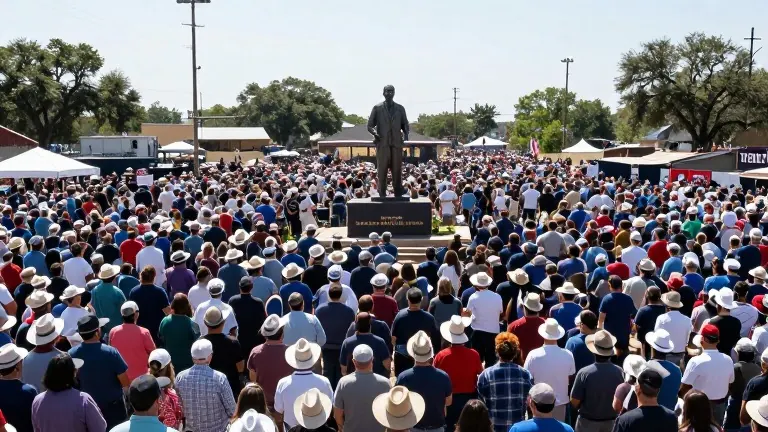
The financial push coincides with President Donald Trump’s final campaign stops. He visited Salina, Kansas, and Dubuque, Iowa, on Sunday. These are states the president has won handily in past elections. In Iowa, Trump told supporters that Republicans would elect an "America first" ticket up and down the ballot. His speech in Dubuque lasted two hours. In Kansas, he arrived late to an outdoor rally at an airport, where hundreds of attendees left midway through his nearly 90-minute address.
The administration’s focus on rural areas follows a turbulent campaign season. Polls suggest the Iran war, high energy prices, and cost of living increases could benefit Democrats on Election Day. Trump’s rallies in conservative areas have aimed to energize the base and counter his lower approval ratings. He has staged more than 25 rallies over the past month.
Political instability emerged in Michigan on Sunday. Haley Stevens, Abdul El-Sayed’s opponent in the Democratic primary, endorsed Republican Mike Rogers. Stevens made the announcement after attending a church service with Rogers in Detroit. She said El-Sayed told her she was no longer welcome in his campaign. Stevens stated that she was endorsing Rogers for the United Senate today. El-Sayed dismissed the news later on Sunday, saying he was focused on the cost of living and that none of the drama mattered.
In Alaska, the FBI investigated a campaign tactic known as ballot stacking in Petersburg. Agents visited friends who donated to Dan J. Sullivan, a former elementary school teacher running against incumbent Senator Dan S. Sullivan. The Trump administration is weighing criminal charges over the effort. Sharon Hunter, a resident who donated $1,000 to Dan J. Sullivan, said agents knocked on her door on Saturday. She described the investigation as a waste of taxpayer money.
The Department of Justice defended a list of more than 20,000 suspected noncitizens registered to vote in California. The agency filed documents on Sunday arguing that a legal group’s analysis violated a court order. Chief Judge James Boasberg had allowed the Coalition for Humane Immigrant Rights to access the data for a legal standing argument. The group claimed more than 40% of the people on the list did not appear in the state voter file. The Justice Department suggested the judge refer the matter for a contempt investigation.
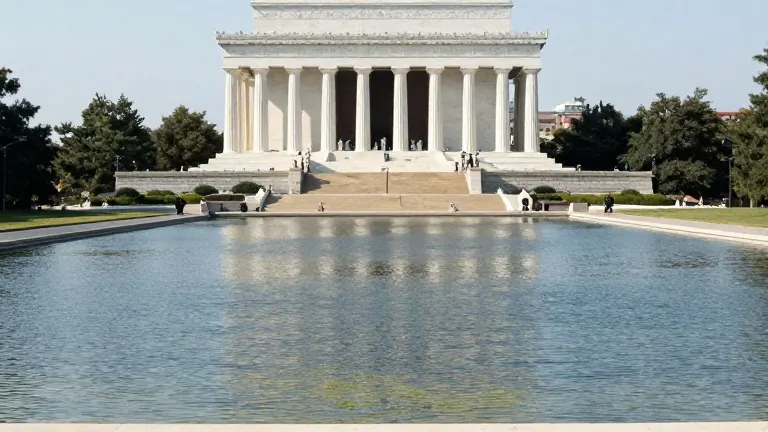
President Trump plans to deliver his closing speech on Monday afternoon at the Lincoln Memorial Reflecting Pool. The White House formally announced the venue on Sunday. Trump said the event would show how beautiful the site is. The repair project has been slow and expensive, drawing criticism from both sides of the aisle. The speech will mark the end of his campaign before voters decide who controls Congress in the final two years of his presidency.