North Texas halts data center permits
Governor Abbott paused state approvals as communities in Lancaster, Red Oak, and Wilmer face a surge in facility construction and rising power demands.
By Layla Richardson ·
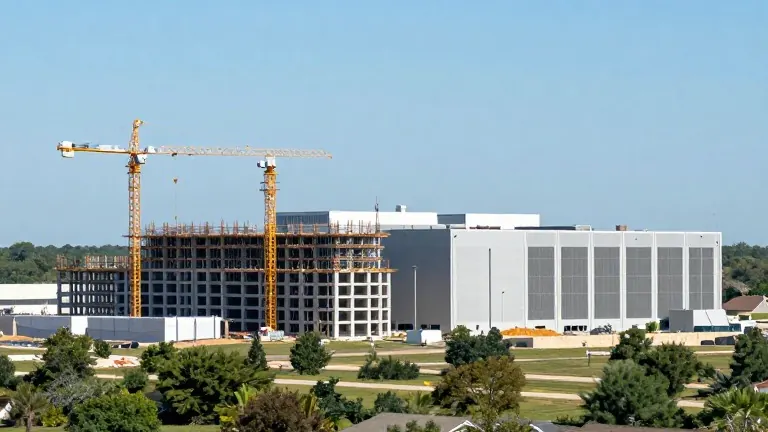
Texas Governor Greg Abbott has suspended the state’s issuance of new data center permits. This move pauses approvals while regulators examine major projects seeking to connect to the state’s electric grid. The pause aims to address growing concerns about infrastructure capacity and local impact.
The development is concentrated in the North Texas region, specifically in Lancaster, Red Oak, and Wilmer. According to an investigation by NBC 5, these three communities currently host 10 operational data centers. An additional 38 facilities are either planned or currently under construction. This represents nearly four times the current operational capacity.
Data centers are large facilities housing computer equipment that supports internet services, applications, and artificial intelligence. These systems require substantial amounts of electricity to maintain continuous operation. Local residents have expressed concern that the influx of these facilities could strain the power grid and increase electricity costs for households.
Community members have also raised issues regarding noise levels and construction traffic. Some residents reported discovering plans for new facilities in close proximity to their homes without prior notice. These groups argue that the scale of development affects local quality of life, environmental conditions, and public health.
Developers counter that the projects provide economic benefits to local municipalities. They cite the creation of jobs and the generation of millions of dollars in tax revenue. For city leaders, these financial gains are a primary motivation for approving the construction.
The issue is moving to the state legislative agenda. Texas lawmakers are expected to debate new regulations for data centers in January. This follows the executive pause and reflects a wider review of how these facilities integrate with existing power infrastructure.
The pause allows regulators to evaluate pending applications before final decisions are made. Residents continue to seek transparency regarding the specific impacts of these projects on their neighborhoods and utility rates.