Midterm losses trigger AI stock sell-off as data center plans face local hurdles
Investors reacted to Democratic gains and ballot measures by selling shares of Nvidia, AMD, and other tech firms, raising questions about the pace of infrastructure spending.
By Layla Richardson ·
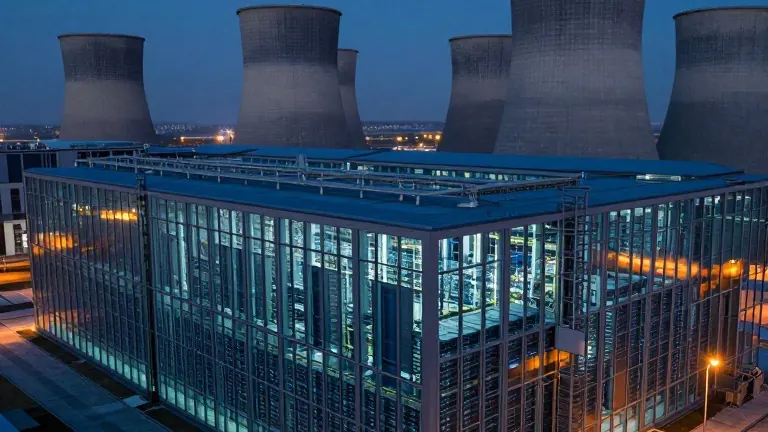
Democratic candidates won a decisive victory in the midterm elections held this week, a result that immediately unsettled the stock market. Investors focused on the potential for new regulatory barriers to the rapid expansion of artificial intelligence infrastructure across the United States.
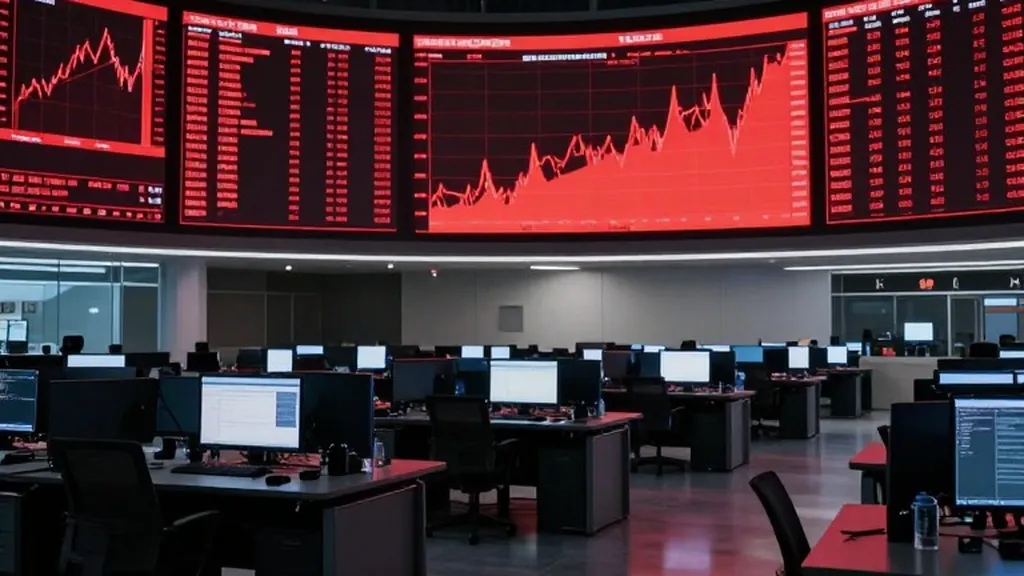
The sell-off hit the most valuable tech companies in the U.S. and Europe on Thursday. Nvidia shares fell 9.3% while AMD dropped 17.3%. Microsoft lost 3.6% and Micron shed 17.5%. Other major players saw similar declines, with Broadcom down 10.4%, Tesla down 10.8%, and SpaceX down 9.1%.
Companies known as neoclouds, which provide AI computing power and manage large data center projects, faced even sharper drops. Nebius stock fell 15% on Thursday. Iren shares declined 17%, and CoreWeave lost 10% of its value. By Friday morning, U.S. tech stocks showed signs of recovery, but the volatility signaled potential challenges ahead for the AI sector.
Kyle Rodda, a senior financial market analyst at Capital.com, noted that the stock tumble resumed after the elections as investors considered the impact of a Democrat-controlled Congress. He warned that the regulatory and political risks emerged while the AI trade was already on shaky foundations. Rodda described the recent earnings season as an overall disappointment, with major tech results falling short of growth expectations.
Local voters added another layer of complexity to the national political shift. Dozens of ballot measures in 10 states went to voters on Tuesday, proposing various restrictions on data center construction. Rodda said investors were rushing to exit AI trades due to the risk of measures like construction moratoriums slowing the investment boom.
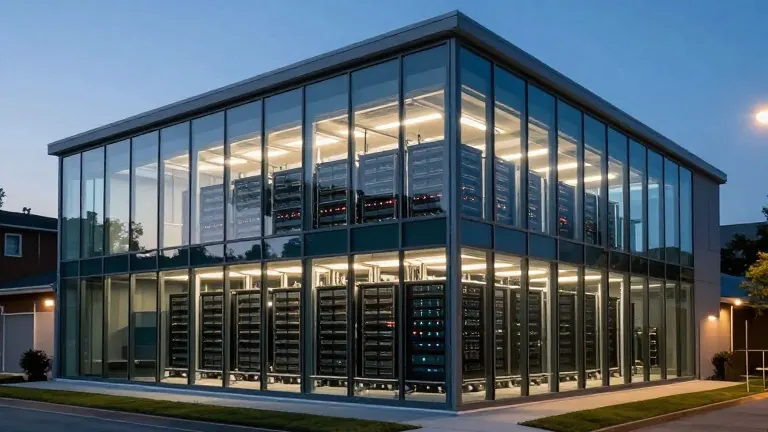
Community opposition to data centers is a long-standing issue that has already impacted projects. According to research by the International Data Center Authority, at least 46 AI data center projects across 20 U.S. states were blocked, withdrawn, or stalled between January 2024 and May 2026. These projects represented more than $170 billion in announced investment.
Dan Ives, a partner at Yorkville Ives & Co., argued that the midterms would slow the pace of the planned 800 to 1,000 data centers across the U.S. He stated that Democrats taking control, particularly of the Senate, would create major hurdles for AI development over the next two years. Ives updated his outlook to suggest that Big Tech capital expenditure growth will peak in 2027, earlier than his previous forecast of 2028 or 2029.
Goldman Sachs estimates that AI-related capital spending could reach approximately $7.6 trillion from 2026 through 2031. This figure covers computing, data centers, and power infrastructure. Despite the high stakes, AI stocks were already shaky on Wall Street before the election. Chipmakers and neoclouds sold off in October due to concerns about rising interest rates and overspending by major technology companies.
Dominique Toublan, head of U.S. credit strategy at Barclays Investment Bank, observed that AI pushback is bipartisan but local. She noted that this dynamic makes the buildout pricier rather than stalling it entirely. Toublan described the current situation as a shift from a prisoner's dilemma to a war of attrition, where scarce power resources favor companies with the largest balance sheets.
By Thursday morning, Ives said Wall Street tech backers were confused about how the political changes in Washington would impact the AI revolution. He noted that the industry is navigating a complex political landscape where local opposition and national regulation intersect. The combined market capitalization of Elon Musk's Tesla and SpaceX dropped by more than $420 billion following the midterm results.
More Business · Buyer Beware · Report a business · Got a Story?