Hungary publishes secret police files after 36 years
Prime Minister Peter Magyar’s government is releasing online databases containing information on up to 60,000 state security informants, a move that ended decades of political deadlock.
By Nikolai Patterson ·
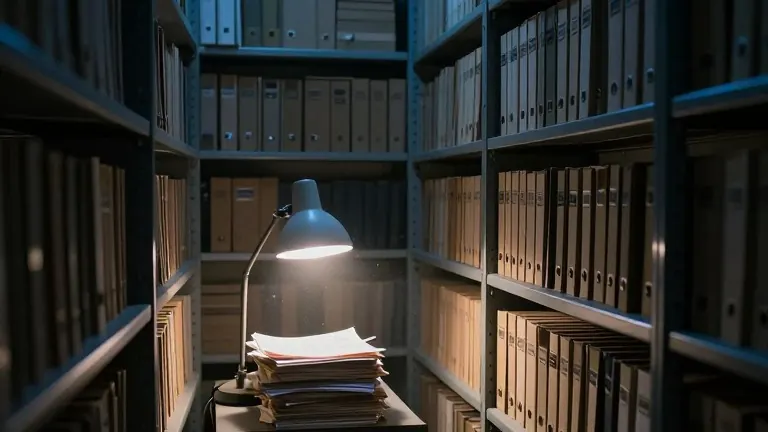
Prime Minister Peter Magyar’s government began releasing Hungary’s Communist-era secret police files on November 4, 2026. The online databases contain names and key information regarding up to 60,000 of the estimated 150,000 informants who worked for the state security agency. This action marks the first full public release of the "agent files," a process that has been debated since the fall of Soviet rule in 1989.
The release follows a promise made by Magyar and his Tisza party during their election campaign. For over three decades, Hungarian civil rights activists and smaller political parties demanded access to the records. Previous administrations consistently opposed the move. Viktor Orban’s Fidesz party voted against opening the files more than 30 times since 2010. The conservative government of Jozsef Antall, Hungary’s first post-Communist leadership, also rejected the idea initially.
Limited access to the files existed previously. A 1994 law required background checks for government officials and members of parliament. From 1997, citizens could view their own records, but they could not see the names of informants who reported on them. The old law included confidentiality provisions that allowed agencies like the Ministry of Interior to block file transfers if they claimed national security was at risk. This selective approach led to political exploitation, such as the 2002 exposure of former Prime Minister Peter Medgyessy as a former secret agent by a Fidesz-affiliated newspaper.
The new release scales back old confidentiality rules, making more documents accessible. Bendeguz Gergo Cseh, the director of the Historical Archives of the Hungarian State Security, noted that many documents were incomplete or unreliable. He advised that the public should not believe everything the state security agencies claimed in their files. Historian Janos M. Rainer described the timing as a symbolic gesture, arguing the release would have had more impact immediately after the regime fell. In contrast, historian Krisztian Ungvary welcomed the move, stating it will allow for new research and fresh societal debate.
The publication is expected to have political consequences. Magyar highlighted the 36-year delay in a Facebook post, questioning why Fidesz did not support the motion. Many prominent figures in Fidesz and Orban’s inner circle served in the Communist party or secret police. One such figure is Jozsef Horvath, a former full-time employee of the state security department that suppressed domestic opposition. Under Orban, Horvath served as an intelligence officer and became the research director of the Sovereignty Protection Office in 2024. That agency identified supposed enemies of the regime and branded them as foreign agents.