Democrats seize control of Congress in wave election, setting stage for immediate oversight
With majorities in both chambers secured, the new leadership moves to investigate the administration's handling of the Iran conflict and education policies.
By Vikram Harrison ·
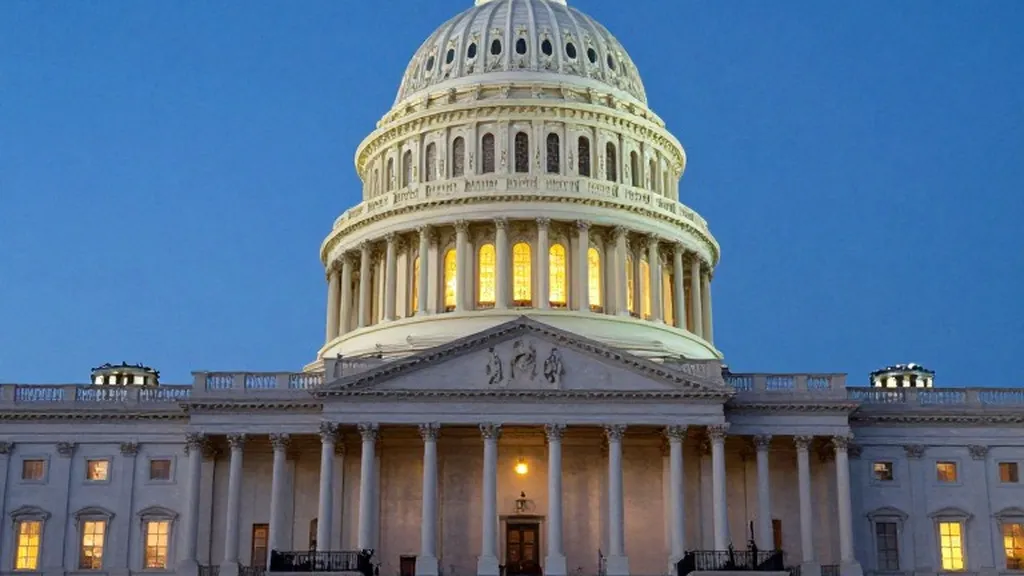
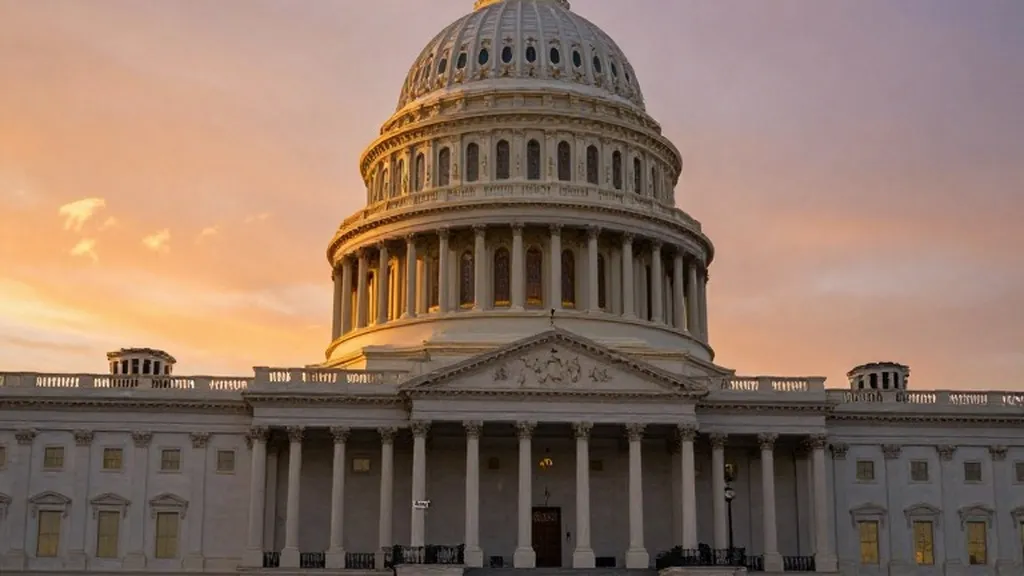
The political landscape in Washington shifted dramatically following the November 3 midterm elections, as Democratic candidates secured majorities in both the U.S. House of Representatives and the U.S. Senate. According to compiled election results, Democrats picked up at least 43 House seats, 42 of which were previously held by Republicans and one held by an independent. In the Senate, the party gained seven seats, all of which had been previously held by Republicans. As of 4 p.m. EST on November 6, Democrats hold at least a 250 to 157 majority in the House and a 54 to 44 majority in the Senate.
This outcome marks a significant wave against the president’s party, with Republicans suffering a net loss of at least seven Senate seats. This swing places the election in the top 20% of election years in terms of seat changes against a sitting president. While the House loss of 42 seats is slightly short of the 48 seats required to qualify as a full wave election, the margin is close enough that uncalled races could still alter the final tally. This decisive result gives Democrats the power to control the legislative agenda and oversight investigations for the next two years.
The immediate focus for the new Democratic leadership is on the administration's handling of the war in Iran. Rep. Thomas Massie, a Kentucky Republican, moved on Monday to force a vote to impeach Defense Secretary Pete Hegseth. Massie argued that Hegseth’s actions in the conflicts involving Iran, Yemen, and Venezuela amounted to high crimes and misdemeanors. He stated that the secretary knowingly executed and implemented unlawful orders and remains a threat to the Constitution. This move came just hours after the House opened for its first day of sessions following the midterms.
House Democratic Leader Hakeem Jeffries has expressed support for the impeachment measure. If most Democrats follow his lead, Massie would only need the support of a few Republicans to pass the impeachment in the House. The vote could occur by mid-week, though the next steps are uncertain. If the House votes to impeach, the process will move to the Senate. However, Republicans currently remain the majority in both chambers until the new Congress convenes in January with Democrats in control. This timing creates a complex procedural landscape for the coming weeks.
President Donald Trump reacted strongly to the impeachment push, lashing out at Massie personally. In a briefing, the president called the congressman a loser who has a lot of hatred in his heart. Meanwhile, Defense Secretary Pete Hegseth is preparing to defend his record. He told reporters that he is eager to defend the military actions taken against Iran, the Houthi rebels in Yemen, and the previous leaders of Venezuela. Hegseth brushed aside the impeachment threat after giving a speech at the Naval War College in Rhode Island, signaling his intent to fight the charges.
Beyond the defense portfolio, Democrats are preparing to use their new majorities to push back against the administration's education policies. Rep. Bobby Scott of Virginia, the top Democrat on the House Committee on Education and the Workforce, said he plans to leave no rock unturned in investigating the dismantling of the U.S. Education Department. The committee is preparing to explore the administration’s oversight of federal student loans and its anti-discrimination policies. A day after the elections, Scott sent a letter to 10 federal agencies reminding them to preserve records that might become part of a congressional review.
Sen. Elizabeth Warren of Massachusetts called on her colleagues to hold the administration accountable for dismantling the Department of Education. She emphasized the need to turn back on students. White House officials have denounced these plans, with Education Department spokesperson Savannah Newhouse saying Democrats are plotting to prematurely sabotage Education Secretary Linda McMahon. White House spokesperson Liz Huston accused the party of failing American students with disastrous leadership before the president returned to office. These exchanges highlight the friction that will define the early months of the new Congress.
Democrats are also looking to the budgeting process to exert pressure. Sen. Chris Van Hollen of Maryland, a member of the Senate Appropriations Committee, said there will be an interest in using the power of the purse to establish guardrails. He noted that while it is harder to rebuild an entity just through an appropriations bill, the committee can try to prevent further damage and seek to reverse the harm already done. Last year, Democrats failed to secure broad language in a funding bill to block the further dismantling of the Education Department. Now, with majorities in both chambers, they are preparing to try again with greater leverage.
The election results also reflect a broader shift in state power. Democrats won a plurality of state government trifectas and state legislative chambers. They also secured a majority of governorships for the first time since before the 2010 elections. In California, Xavier Becerra won the governor’s race, becoming the state’s first elected Latino governor and the fifth consecutive Catholic governor. This victory is part of a pattern where Catholic voters, particularly Latinos, supported progressive candidates. About 6 in 10 Catholic voters in the California race supported Becerra, while about 4 in 10 voted for his Republican opponent, Steve Hilton.
The new Congress faces the challenge of translating electoral victory into policy changes while dealing with a president who has pledged to veto bills he sees as harmful. Democratic leaders have indicated they will rely heavily on investigations and appropriations leverage rather than just legislation. The impeachment of Pete Hegseth and the review of the Education Department are the first major tests of this new power dynamic. As the new Congress convenes in January, the focus will remain on oversight of the administration’s actions in Iran and the preservation of federal education structures.