Data Center Disputes Drive Campaign Strategies in Five Midterm Races
Polling shows growing voter opposition to server farms, prompting candidates in Texas, Florida, Pennsylvania, and Ohio to adjust their platforms and spending.
By Vikram Harrison ·
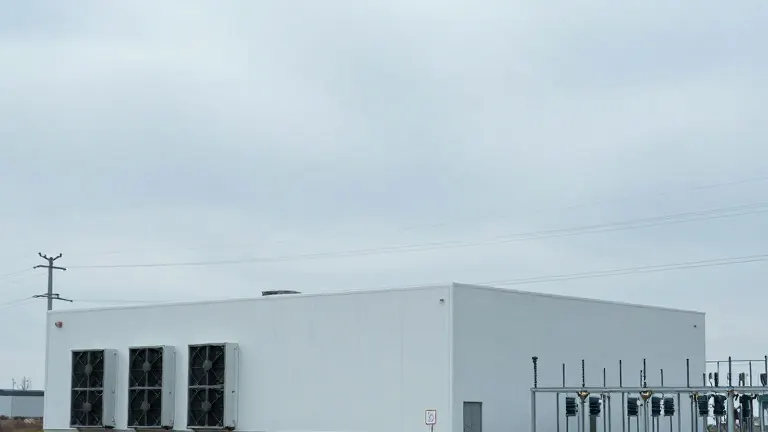
Data centers have become a defining issue in the 2026 midterm elections, influencing campaigns across five states. Candidates in Texas, Florida, Pennsylvania, and Ohio are adjusting their platforms to address local opposition to these facilities. The rapid construction of server farms has generated concerns about energy costs, environmental impact, and local control.
Super PACs are spending heavily to shape the debate. Leading the Future, backed by Marc Andreessen and Greg Brockman, has spent $45 million in the past year. Public First Action, supported by Anthropic, has raised $80 million. Both groups have funded candidates from both parties. Another group, Tomorrow Together, launched $4 million in ads promoting stricter AI policies.
Texas has the second-highest number of planned data center projects in the country. In the Senate race, Democrat James Talarico and Republican Ken Paxton both propose ending tax exemptions for these facilities. Talarico wants to require closed-loop water systems and create an "AI Dividend" funded by a tax on AI profits. Paxton’s plan focuses on preventing Chinese technology from entering the sector and holding companies liable if AI chatbots harm children.
The Texas gubernatorial race has also featured sharp attacks over data centers. Democrat Gina Hinojosa accused incumbent Greg Abbott of changing his position. Abbott’s office previously celebrated a $40 billion Google investment. In August, however, Abbott announced an audit that could slow new facilities. Hinojosa, who supports a statewide moratorium, called Abbott’s credibility low in a social media video.
In Florida, candidates are debating whether to ban or regulate hyperscale data centers. Democrat David Jolly pledged to install a one-year ban on his first day in office. Republican Byron Donalds, who previously supported development, introduced the Protecting Ratepayers Act. This bill would require developers to fund their own energy and water needs. An October poll found that 45 percent of likely voters oppose data centers in Florida, while 59 percent oppose them in their own communities.
Polling in Florida shows Donalds leading Jolly by 48 percent to 41 percent. The margin of error is plus or minus 4 percent. Energy experts have warned that Donalds’ plan to rely on nuclear and natural gas could raise costs for consumers. Despite his lead, Donalds has been branded as "Data Center Donalds" by opponents.
In Pennsylvania, Governor Josh Shapiro and Treasurer Stacy Garrity have both shifted their stances. Shapiro previously promoted a $20 billion Amazon investment but recently prohibited nondisclosure agreements for developers. Garrity, who once called rural areas ideal for data centers, now supports a pause of up to three years. A Quinnipiac University poll found that 64 percent of likely voters believe AI data centers will do more harm than good.
The Ohio Senate race is described as a dead heat by the National Republican Senatorial Committee. Democrat Sherrod Brown has labeled incumbent Jon Husted the face of data centers. Brown points to tax breaks Husted helped install as lieutenant governor. Husted argues that local communities should decide whether to allow the facilities. He introduced the Ratepayer Protection Act, which passed the House but failed in the Senate.
The NRSC warned that if Husted loses, politicians nationwide may hesitate to support future data center projects. The group stated that losing the seat could endanger future industry support. Recent polling averages show Brown with a slight edge in the race.
Cook Political Report rates the Texas governor’s race as leaning Republican and the Senate race as a toss-up. In Pennsylvania, Shapiro leads Garrity by 59 percent to 34 percent. In Ohio, the race is considered a toss-up. These ratings reflect the uncertainty surrounding how voters will weigh data center concerns against other issues.