Russia launches satellite system as Starlink outage disrupts Ukraine
Moscow is building the Rassvet constellation to reduce reliance on SpaceX, following a temporary cut to Starshield that hindered Ukrainian drone attacks.
By Vikram Harrison ·
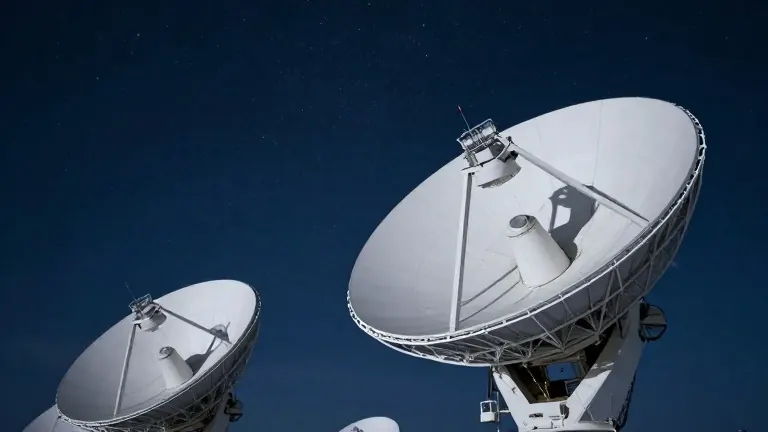
Russia is accelerating the construction of its own satellite network to secure military communications independent of US systems. This development follows a mid-October disruption of the Starlink service that Ukrainian forces relied on for drone operations.
Vladimir Putin addressed the issue at a summit with African leaders in Moscow. He compared the scale of SpaceX's infrastructure with Russia's emerging capabilities. According to the Tass news agency, Putin described Elon Musk as a genius and noted that Musk has more than 5,000 satellites in orbit. The Russian president said his country is only taking the first steps in its own development efforts.
The actual number of active SpaceX satellites is estimated at approximately 10,000. These units provide the high-speed internet service that became the subject of a diplomatic dispute between Musk, the US, and Ukraine earlier this month. A military version of the service, known as Starshield, was restricted for about 10 days in mid-October. This limitation prevented Ukraine from conducting medium-range drone attacks and hampered its anti-drone air defenses.
Musk initially denied ordering the throttling of the connection. By the end of last week, he stated that he had closed a loophole that allowed the civilian version of Starlink to be used by the military. Putin said Russia maintains close contact with American partners, including Musk, to ensure discipline and order in orbit. He emphasized the importance of avoiding interference between systems.
Starlink does not function within Russia, and its use inside Ukraine was restricted earlier this year. Moscow has begun developing an alternative system called Rassvet. This network currently has an estimated 26 working satellites, giving it limited capacity compared to the SpaceX constellation. Volodymyr Zelenskyy announced last week that Starlink and Starshield operations have been restored. He said the speeds are now at the required level.
Relations between Zelenskyy and Donald Trump remain tense ahead of the US midterm elections scheduled for next Tuesday. Trump agreed to purchase diesel from Moscow in early October, an effort aimed at reducing oil prices before voters go to the polls. Zelenskyy expressed hope that trilateral peace talks involving Ukraine, Russia, and the US would occur between November 6 and November 10 in Abu Dhabi. He stated that the US side is expected to be ready with answers after the elections.
Zelenskyy also spoke with UK Prime Minister Andy Burnham regarding new financial support. Britain announced it would provide 10 billion pounds in extra financing for Ukraine over the next three years. An immediate 500 million pounds will fund air defense systems. UK Chancellor John Healey said the Prime Minister and he called Zelenskyy to inform him of the commitments. Zelenskyy responded that the support was a strong and timely step as the war approaches a difficult winter.
The Dutch government committed to providing 500 million euros in military support for the winter and an additional 1.2 billion euros in non-military aid. This funding is partly intended to repair Ukraine's utilities and manufacturing sectors. Kyiv has faced relentless attacks from Moscow this autumn. Zelenskyy reported that Russia launched more than 100 ballistic missiles at Kyiv and the surrounding region since mid-October. These strikes hit power plants and other key targets in an effort to create a humanitarian crisis in the capital.