Pilot says Florida jet crash route saved six minutes
A 30-mile buffer from storms is standard practice, yet the Learjet 60 flew near a severe system that likely caused a stall before the plane fell.
By Nikolai Patterson ·
A six-minute time difference drove the route choice for a Learjet 60 that crashed in South Florida on Sunday. The aircraft flew dangerously close to thunderstorms before losing control, a decision that aviation attorney Mike Slack questions sharply.
Slack, a former NASA employee and licensed pilot, told the Houston Chronicle that the jet entered the fringe of a very developed storm system. The crew reported light icing and moderate turbulence to air traffic control. The outside temperature was minus 47 degrees Celsius. Slack noted that standard care requires aircraft to stay at least 30 miles from the edge of intense thunderstorm activity.
The flight operated by Upper Jets departed for North Eleuthera. Slack calculated that a route through Jacksonville would have avoided the weather entirely. That alternative path would have added only a few minutes to the trip. The chosen route through Miami saved six minutes. Slack asked why the pilots accepted the risk when a clear north route existed.
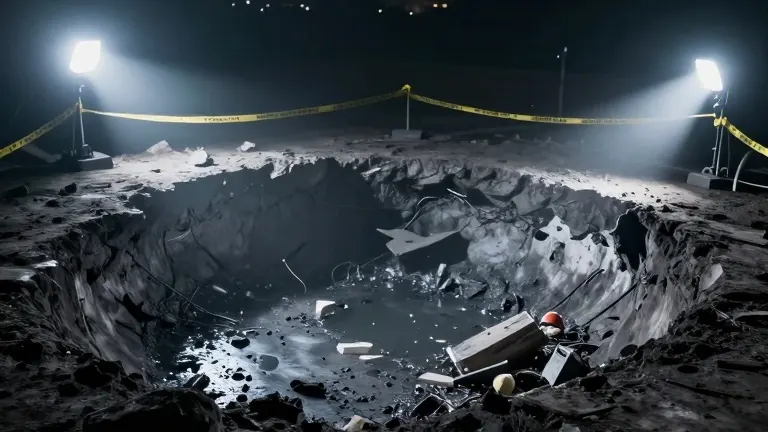
The National Transportation Safety Board is investigating the incident. Weather is a major focus of that probe. The NTSB has not yet determined a cause. Officials expect to access the crash site crater on Wednesday. Slack warned that evidence recovery may be limited. He described the impact as similar to a bomb, with debris and hazardous fluids spreading about a half-mile in all directions. Screening the area for hazards could take three to four weeks.
Slack believes the storm triggered a stall. He explained that a Learjet 60 loses lift abruptly. Once the stall occurs, recovery is difficult. Slack called the aircraft a widow maker because it has a reputation for stalling on approach. He stated that even an astronaut could not recover the plane once it lost lift. The design makes a stall a death sentence for everyone on board.
The crew reported specific weather conditions during the flight. Ice buildup on the cold surface or a powerful updraft may have caused the abrupt loss of control. Slack said the jet was not built to withstand such conditions. He emphasized that pilots must know the nasty habits of this specific model. Charter jets are safe in the right hands, but experience is critical when managing unruly aircraft behavior.
Slack worked on litigation for the Delta 191 and American 1420 crashes. He described the prelude to the crash as an unknown while the outcome is straightforward. He is not optimistic about finding usable evidence in the crater. The ejecta includes fuel, oil, and hazardous compounds from the impact. The investigation will continue to determine what caused the fatal plunge.
Upper Jets could not be reached for comment. The company email bounced, and the voicemail box was full. The NTSB onscene investigation is currently ongoing. The board will examine the site to determine if the weather was the sole trigger or if other factors contributed to the loss of lift. The crash remains a tragedy with unanswered questions about the route decision.