Israel Election Hovers in Uncertainty as Vote Count Extends
Record turnout leaves Prime Minister Netanyahu and challenger Gadi Eisenkot within striking distance, with final tallies expected by tomorrow afternoon.
By Layla Richardson ·
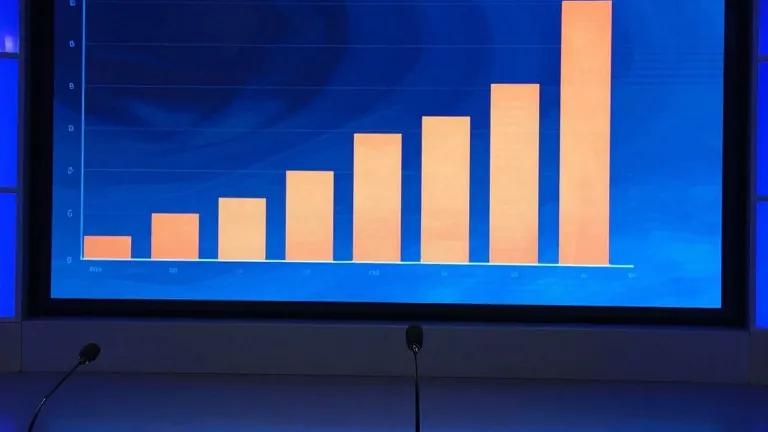
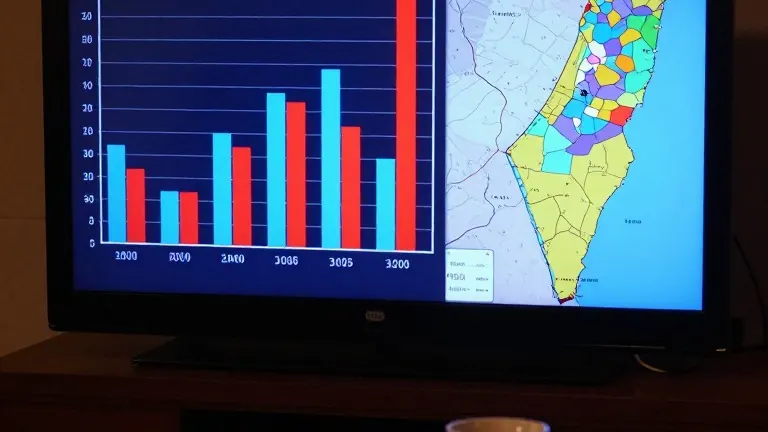
The margin between the two leading candidates in the Israeli general election has narrowed to a point where neither side holds a decisive lead. Prime Minister Benjamin Netanyahu and his top rival, former military chief of staff Gadi Eisenkot, remain within a tight range after voters turned out in record numbers. This high level of participation has made the final outcome difficult to predict, leaving the nation in a state of suspense as counting continues.
Voters initially believed Eisenkot held the advantage as polls closed on Thursday. By Friday morning, however, Netanyahu had pulled ahead, reversing the early trends. NPR’s Daniel Estrin notes that this shift has rendered the race too close to call. Election officials expect to complete the vote count by tomorrow afternoon. Until then, both camps are monitoring the results from key districts where the contest is most competitive.
The path to power in Israel requires more than winning the most votes; the leading candidate must secure a governing coalition within six weeks. Neither Netanyahu nor Eisenkot has a clear path to a majority in the Knesset. Eisenkot’s camp faces a specific strategic dilemma: Arab-led parties are eager to support his bid, which could provide the necessary seats. However, Eisenkot’s team is hesitant to form a coalition with these groups. Estrin explains that this hesitation stems from mistrust and the demonization of Arab political leaders following the attacks of October 7, 2023.
Netanyahu, by contrast, must rely on a center-right bloc that also lacks a guaranteed majority. If no single bloc can secure the required seats, party leaders will spend days or weeks negotiating with defectors from the opposing camp. This period of coalition building could extend the uncertainty well beyond the initial vote count. The process will determine who assumes the office of prime minister and shapes the government’s approach to domestic and foreign policy.
The election takes place against a backdrop of intense domestic pressure. Voters are deciding whether to keep Netanyahu in office or replace him with Eisenkot, who represents a center-right alternative. The high turnout suggests a high level of engagement among the electorate, a rarity in recent Israeli elections. As the counts continue, the focus remains on the smaller parties that may hold the balance of power. Their decisions will ultimately decide the next leader of Israel.
Election officials have indicated that the final numbers will be released later today. Both campaigns are preparing for the next phase, which involves intense negotiations with smaller parties. The outcome will set the direction for the country in the coming years, with implications for regional relations and internal governance. For now, the result remains in the hands of the counting machines and the subsequent coalition talks.