Fort Worth musician launches 1974 UFO radio drama
Matthew Broyles casts local musicians in a weekly sci-fi series that begins its three-season run this week.
By Nikolai Patterson ·
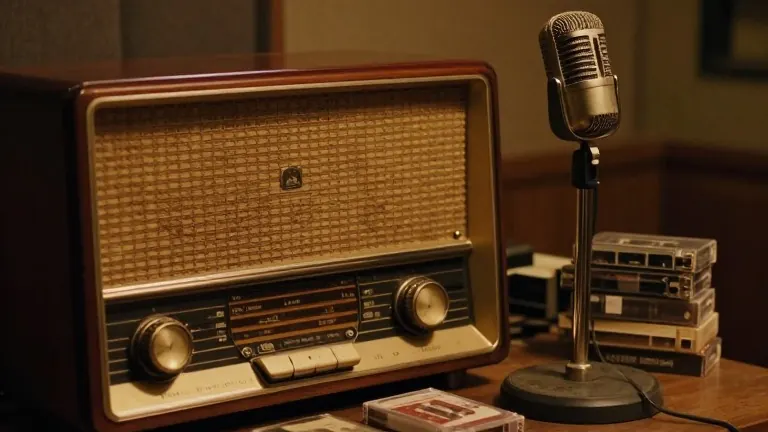
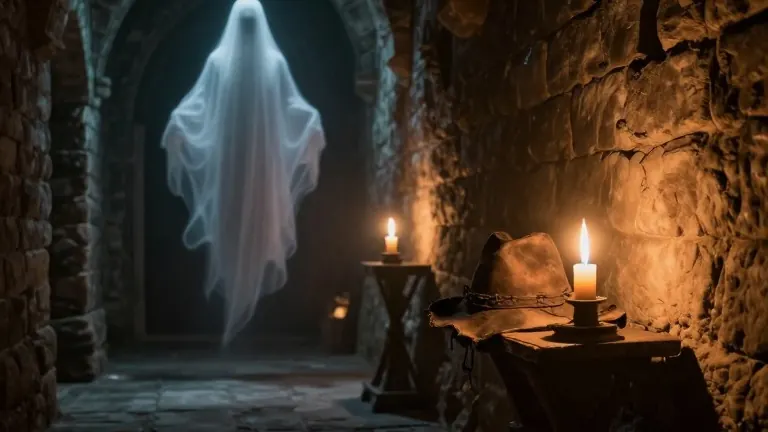
Local audio drama has seen a resurgence in recent years, driven by a community of listeners who favor immersive storytelling over visual media. Fort Worth musician Matthew Broyles, known professionally as The Matthew Show, has added to that movement with the release of his new radio play, Dark Forest. The series follows Bill Carlson, an ordinary man who accepts a position as a junior investigator at the Center for UFO Studies in 1974. As Carlson digs into the organization's records, the narrative explores the tension between historical facts and cosmic mystery.
Broyles established his production house, the Naïve Theater of the Air, to manage his audio work. The group previously released an audio adaptation of Broyles' book, Rewired. He noted that the release of that project revealed a large online community of audio drama enthusiasts. Broyles said he began listening to many existing productions after his first release entered the market. That research inspired him to write a story specifically tailored to the radio format. Dark Forest is the result of that creative pivot.
The production relies on a network of musicians from North Texas and Oklahoma for voice acting. Jerry Griffin voices the main character, Bill Carlson. Reid Perry plays Ernie Zwicky, and Keegan McInroe portrays CIA Agent Ellis. Little Jack Melody, a Denton-based artist who previously aired a radio theater piece on NPR stations, serves as the series announcer. Melody was Broyles' musical mentor. Paul Shapera, creator of the steampunk opera The Dolls of New Albion, composed the music for the series.
Broyles described the production process as similar to a community theater effort. He explained that the cast is composed of non-professional performers who are driven by a desire to create. He cited a quote from Jeff Goldblum that stuck with him: most actors are frustrated musicians, and most musicians are frustrated actors. Broyles posted a notice on social media seeking participants. The response came primarily from fellow musicians, which aligned with his vision for the project's collaborative feel.
The story is set in 1974, a year chosen for its specific cultural and technological context. Broyles researched the UFO hype of that era to ensure historical accuracy. He wanted to tell the story from the perspective of a low-level employee rather than high-level operatives. Carlson is a divorced father who works in the basement of the UFO center and sends audio tapes to his child in Indianapolis. The 1974 setting also reflects the era of Watergate and government surveillance scrutiny. It is a time before the internet, forcing the character to solve mysteries through analog methods.
Attention to detail is central to the show's realism. The production includes period-accurate sound effects, such as the specific ring of a 1970s telephone. These elements blur the line between fact and fiction, a tradition common in classic radio plays. Broyles said the project is not intended to be trendy or to go viral. He described it as a story for underdogs and listeners who seek different content. The goal is to present a narrative that engages both the ear and the intellect.
The first episode of season 1 is available now on all podcast streaming platforms, YouTube, and Bandcamp. New episodes will release every Wednesday morning until early January. The series is planned to span three seasons in total. Production for season 2 is scheduled to begin in early 2027. Supporters of Broyles' Patreon page can access episodes one week before the public release. Additional information about the project is available on Broyles' website.
Broyles expressed a personal mission to introduce more unusual content into the world. He said he believes the world needs strange and weird material, and he feels that the more of it available, the better. The project continues his work in blending music, narrative, and community performance for an audio-first audience.