Bug Fear Changes 8-Year-Old’s Daily Routine
A mother in Fort Worth sought professional help after her son’s intense phobia kept him from playing outside, leading to rapid improvement through gradual exposure techniques.
By Nikolai Patterson ·
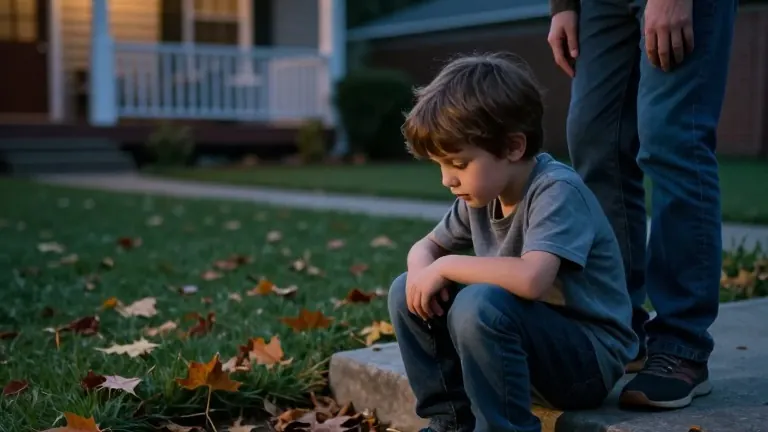
For Joseph Jones, a bug in the yard was not a minor inconvenience. The eight-year-old from Fort Worth experienced panic attacks that stopped him from walking through the grass or entering certain rooms in his house alone. His mother, Laura Jones, described the fear as a constant state of alertness that disrupted his normal childhood activities.
Joseph’s reactions to insects were loud and physical. He would scream, cry, throw himself on the ground, or run away. Laura Jones said he was hyperaware of his surroundings, constantly scanning for bugs. This avoidance behavior kept him from playing outdoors, a favorite pastime, because the anxiety of encountering an insect was overwhelming.
The family brought Joseph to Cook Children’s Health Care System for evaluation. Amanda L. Moen, Ph.D., a licensed psychologist there, assessed the situation. She explained that fear is a normal part of development, serving as a signal for potential threats. However, when the intensity of the fear is out of proportion to the actual danger, it may indicate a phobia.
Dr. Moen worked with Joseph and his mother to develop a management plan. The strategy focused on gradual exposure and supportive language. Instead of immediately removing the source of fear, Laura learned to acknowledge Joseph’s anxiety while encouraging him to face the situation in small steps.
The improvement was visible within the first month of treatment. Joseph began to handle encounters with insects without intense physical reactions. Laura Jones noted that he now asks for help calmly, such as when a bug is found in a trash can. She praises his calmness, noting he is a completely different child than before the intervention.
Dr. Moen cautioned against the instinct to overprotect frightened children. Repeatedly removing the source of fear or offering excessive reassurance can unintentionally reinforce the anxiety. She recommended that parents create a small dose of distress for the child, allowing them to confront the fear in manageable increments while receiving emotional support.
The approach involves a stepwise progression. A child afraid of spiders might start by looking at pictures. Then, they might read books or watch videos. Finally, they would observe a spider from a safe distance and move closer as they become more comfortable. Parents are encouraged to validate feelings with statements that acknowledge the fear while affirming the child’s bravery.
Laura Jones said changing her own reactions was as important as helping Joseph. She learned to encourage him to get close to a bug and tell him he was brave. She found that specific, supportive phrases made a long difference in his ability to cope. This shift in parenting style helped reduce the cycle of anxiety and avoidance.
With Halloween approaching, Dr. Moen advised parents to prepare children who are frightened by costumes or decorations. Starting with less intimidating experiences, such as pictures, allows children to build confidence gradually. If a fear prevents a child from enjoying seasonal activities like trick-or-treating, professional help is recommended. Laura Jones said early intervention gave her confidence and showed her how much Joseph’s everyday life could improve.
The family’s experience illustrates the impact of targeted therapy on a child’s daily routine. Joseph now engages with his environment with less anxiety. His mother feels a sense of accomplishment in having sought help early. The pair now face their challenges together, having resolved the specific phobia that once dominated his days.